
Contents
After flood damage, addressing mold growth is essential for your health and property. You need to assess the extent of the mold and moisture levels before taking action. Your first steps involve thorough moisture removal and effective cleaning methods. But that’s just the beginning; there are also key preventive strategies to take into account. Understanding these can help protect your environment from future mold issues. Let’s explore the best approaches to tackle this problem effectively.
Key Takeaways
- Conduct a thorough assessment for mold growth using visual inspections and moisture measurement tools to identify affected areas.
- Remove and dispose of contaminated materials, such as carpets and drywall, that cannot be adequately cleaned.
- Clean surfaces with a mixture of water and detergent, followed by applying chemical treatments like bleach or hydrogen peroxide as needed.
- Ensure proper ventilation during the remediation process to disperse fumes and promote effective drying of cleaned areas.
- Implement moisture management strategies, such as using dehumidifiers and improving ventilation, to prevent future mold growth.
Assessing the Extent of Mold Growth
When you suspect mold growth after a flood, it’s essential to assess the extent of the problem quickly.
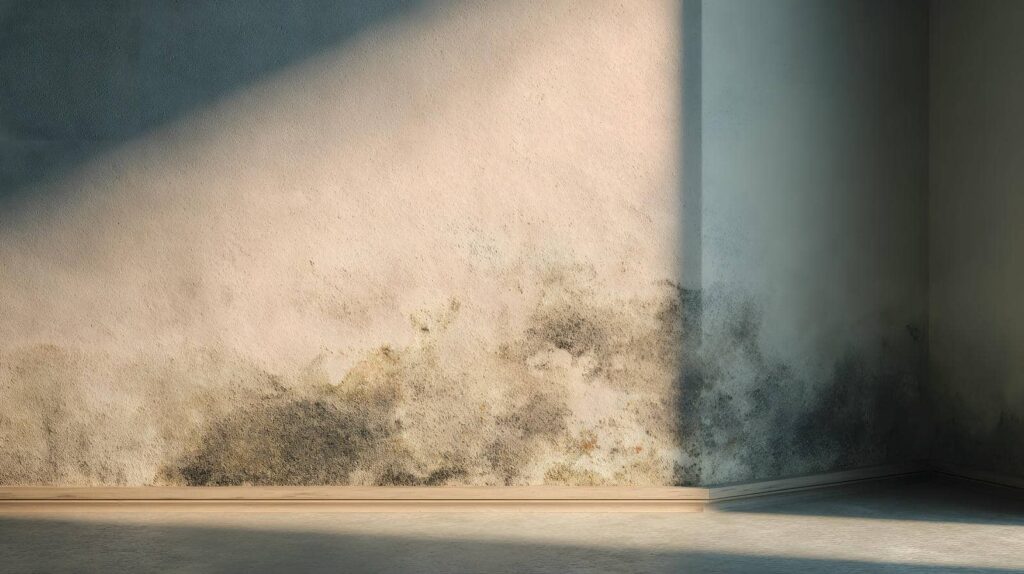
Start by employing mold identification techniques, such as visual inspections and odor detection. Look for common signs like discoloration, spotting, or a musty smell, which can indicate mold presence.
Next, utilize moisture measurement tools like hygrometers and moisture meters to evaluate humidity levels and detect hidden moisture in walls and floors. High humidity or damp surfaces create an ideal environment for mold growth, so pinpointing these areas is important.
Document your findings, as this data will help in developing a tailored remediation plan. If you find significant mold presence, consider consulting a professional for a thorough assessment.
Addressing mold early protects your space and fosters a healthier environment for you and your loved ones.
Effective Cleaning and Disinfection Methods
Once you’ve assessed the extent of mold growth, it’s time to implement effective cleaning and disinfection methods. Start by removing contaminated materials like carpets and drywall, as they can harbor mold spores.
For surfaces, use a mixture of water and detergent, scrubbing thoroughly to eliminate visible mold. After cleaning, apply chemical treatments specifically designed for mold remediation, such as bleach or hydrogen peroxide solutions. Always follow the manufacturer’s instructions for effective results.
Safety precautions are vital during this process. Wear personal protective equipment, including gloves, goggles, and masks, to minimize exposure to mold and chemicals. Ensure proper ventilation in the area to disperse harmful fumes.
After applying chemical treatments, allow sufficient time for surfaces to dry completely, as moisture encourages mold regrowth. By adhering to these methods, you can effectively clean and disinfect the affected areas, promoting a healthier environment for you and those around you.
Preventing Future Mold Growth
To effectively prevent future mold growth, it’s essential to manage moisture levels within your home. Start by implementing ventilation improvements; verify areas like bathrooms and kitchens have proper exhaust fans and open windows when possible. This helps reduce humidity, which is a primary factor for mold development.
Consider using mold-resistant materials during renovations, such as mold-resistant drywall and paints. These products can greatly reduce the likelihood of mold colonization in vulnerable areas.
Additionally, inspect your home regularly for leaks and address them promptly to prevent moisture accumulation. You should also maintain indoor humidity levels between 30% and 60% using dehumidifiers if necessary.
Frequently Asked Questions
How Quickly Should I Start Mold Remediation After Flooding?
You should start mold remediation within 24 to 48 hours after flooding. The longer the flood duration, the greater the risk of mold growth, so act quickly to protect your space and well-being.
Can I DIY Mold Removal, or Should I Hire a Professional?
You can try DIY methods for minor mold issues, but for extensive growth, it’s best to hire professional services. They ensure thorough removal, preventing recurrence and safeguarding your home’s health and structural integrity.
What Are the Health Risks Associated With Mold Exposure?
Mold exposure can cause various health risks, including mold symptoms like respiratory issues and skin irritation. You might also experience allergic reactions, leading to sneezing, coughing, or worsening asthma, especially if you’re sensitive to allergens.
Will My Insurance Cover Mold Remediation Costs?
Your insurance policies may cover mold remediation costs, but it depends on coverage limits and specific terms. Review your policy details or consult your agent to understand your coverage options for mold-related damages.
Are There Specific Products Recommended for Mold Removal?
For effective mold removal, use products like hydrogen peroxide, vinegar, or specialized mold removal products. These effective cleaning agents penetrate surfaces, killing mold and preventing regrowth, ensuring a healthier environment for you and your family.
Recent Posts
10 Tips for Mold Remediation After Flooding
Flooding can lead to rapid mold growth, which poses serious health risks and damages your
Effective Mold Remediation After Flood Damage
Have you ever wondered just how quickly mold can take hold after a flood? The
Essential Steps for Sewage Spill Cleanup
When faced with a sewage spill, can you afford to overlook the essential steps for