
Contents
When flood damage strikes, effective water extraction is essential to prevent further complications. You’ll need to assess the extent of the damage and implement the right methods for removal. From using specialized pumps to employing air movers, a strategic approach can make all the difference. But there’s more to it than just extraction; understanding the nuances of each technique can greatly impact the recovery process. Let’s explore these methods in detail.
Key Takeaways
- Utilize submersible pumps for deep standing water, ensuring rapid extraction of large volumes.
- Employ utility pumps for shallower areas to effectively remove water without excess effort.
- Implement trash pumps for debris-laden water, optimizing extraction in heavily contaminated zones.
- Combine air movers with dehumidifiers to enhance drying efficiency and prevent mold growth.
- Utilize absorbent materials and chemical solutions to target residual moisture and protect against bacteria.
Understanding the Importance of Water Extraction
When flooding occurs, understanding the importance of water extraction becomes essential for minimizing damage and ensuring safety. You need to act quickly to mitigate the risks associated with standing water, such as mold growth and structural damage. Efficient water extraction removes excess moisture, preventing long-term deterioration of your property.
Utilizing specialized equipment like submersible pumps and industrial-grade vacuums is fundamental. These tools allow you to handle large volumes of water swiftly and effectively.
Additionally, employing dehumidifiers post-extraction helps eliminate residual moisture, further safeguarding your space.
It’s imperative to recognize that water extraction isn’t just about cleaning; it’s about preserving your environment and health. By prioritizing water extraction, you’re protecting your property and fostering a safe, healthy community for yourself and those around you.
Taking these steps can make all the difference in recovery and restoration after a flood.
Assessing the Flood Damage
When evaluating flood damage, you need to conduct an initial evaluation to determine the extent of impact on your property.
Focus on identifying affected areas, such as floors, walls, and belongings, to prioritize your water extraction efforts effectively.
A thorough evaluation will help you implement targeted solutions for restoring your space efficiently.
Initial Damage Evaluation
Evaluating flood damage is a critical first step in the recovery process, and it requires a systematic approach to ensure nothing is overlooked.
You’ll want to focus on specific aspects to verify a thorough assessment:
Structural Integrity: Check for compromised walls, ceilings, and floors.
Electrical Systems: Inspect wiring and outlets for water exposure.
HVAC Systems: Assess heating and cooling systems for potential damage.
Appliances: Evaluate the condition of refrigerators, washers, and other units.
Personal Belongings: Document and assess the damage to your possessions.
Identifying Affected Areas
As you begin to assess the flood damage, pinpointing the most affected areas is essential for effective recovery. Start by visually inspecting your property, focusing on basements, lower floors, and any waterlogged spaces.
Use moisture meters to identify hidden dampness in walls and ceilings. Pay special attention to electrical systems, as water exposure can pose serious hazards. Document any visible signs of mold or structural damage, as these can worsen if left untreated.
Prioritize areas where water accumulation is highest and where materials like drywall, wood, or carpet are deeply saturated. By systematically evaluating these zones, you’ll create a targeted action plan for water extraction and restoration, ensuring a swift and thorough recovery for your home.
Safety Precautions Before Extraction
Before you begin water extraction, it’s vital to ensure the safety of yourself and others on-site. Flooded areas can conceal various hazards, making it important to take proper precautions.
Here are some steps to keep in mind:
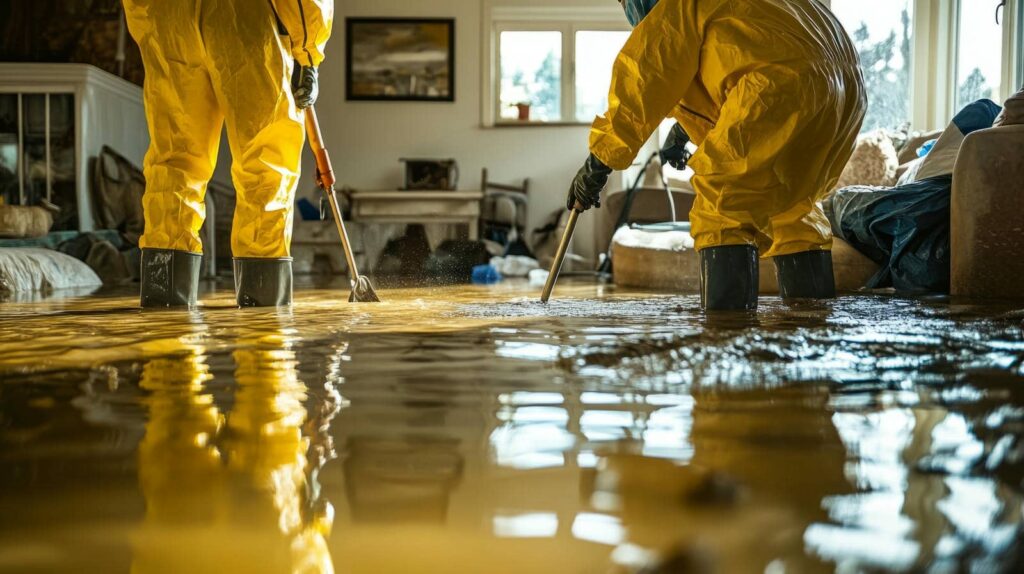
Wear Personal Protective Equipment (PPE): Use gloves, boots, and masks to protect against contaminants.
Check Electrical Systems: Confirm circuits are shut off to prevent electrocution risks.
Assess Structural Integrity: Inspect the building for any signs of damage before entering.
Stay Aware of Hazards: Be cautious of sharp objects and slippery surfaces in the water.
Work in Teams: Always have someone with you to help in case of emergencies.
Following these safety measures can greatly reduce risks and ensure a safer extraction process.
Using Pumps for Water Removal
When tackling water removal in flooded areas, using pumps is one of the most efficient methods available. These devices can quickly extract large volumes of water, minimizing damage and facilitating a faster recovery process. You’ll want to select the appropriate pump based on the water’s depth and type. Submersible pumps work well for deep water, while utility pumps are ideal for shallower areas.
Here’s a quick comparison to help you choose the right pump:
| Pump Type | Best For | Flow Rate |
|---|---|---|
| Submersible Pump | Deep standing water | Up to 3,000 GPH |
| Utility Pump | Shallow flooding | Up to 1,500 GPH |
| Trash Pump | Debris-laden water | Up to 2,000 GPH |
Using the right pump speeds up the extraction and ensures your recovery efforts are effective.
Employing Wet/Dry Vacuums
After utilizing pumps for initial water removal, employing wet/dry vacuums can further enhance your flood recovery efforts.
These versatile tools are essential for extracting residual water that pumps might miss, ensuring a thorough cleanup.
Here’s what you can expect when using a wet/dry vacuum:
Powerful Suction: Effectively removes standing water and debris.
Versatility: Handles both wet and dry materials, making it ideal for mixed environments.
Mobility: Easy to maneuver around tight spaces and heavy furniture.
Attachments: Comes with various nozzles and hoses to reach difficult areas.
Speed: Quickly extracts water, reducing the risk of mold growth.
Utilizing Dehumidifiers
When tackling flood damage, choosing the right type of dehumidifier is essential for effective moisture removal.
You’ll want to take into account placement strategies that maximize air circulation and dehumidification efficiency throughout the affected area.
Regular maintenance and monitoring will ensure your dehumidifiers perform at their best, helping you restore your space more quickly.
Types of Dehumidifiers
Although you might think all dehumidifiers serve the same purpose, they actually come in various types, each designed to tackle specific moisture challenges.
Understanding these differences can help you pick the right one for your situation:
Refrigerant Dehumidifiers: Ideal for warmer conditions, they cool air to extract moisture.
Desiccant Dehumidifiers: Use moisture-absorbing materials, perfect for low-temperature environments.
Whole-House Dehumidifiers: Designed for larger spaces, they can manage humidity levels throughout your home.
Portable Dehumidifiers: Easy to move, great for targeted areas with high humidity.
Industrial Dehumidifiers: Built for heavy-duty applications, they handle considerable moisture loads.
Choosing the right type ensures effective moisture control, helping you safeguard your home and belongings from further damage.
Placement Strategies for Efficiency
To maximize the efficiency of your dehumidifiers, strategic placement is essential. Position your units in the areas most affected by moisture, such as basements or near water-damaged walls.
Make certain they’re placed at least six inches off the floor to enhance air circulation. Avoid corners where airflow can be restricted; instead, place them in open spaces to allow for peak performance.
If possible, use multiple units to cover larger areas, making certain they’re spaced evenly for uniform moisture removal. Directing airflow towards damp surfaces can also boost efficiency.
Finally, keep doors and windows closed to prevent outside humidity from hindering your efforts. By following these placement strategies, you’ll create a more effective drying environment and help mitigate further damage.
Maintenance and Monitoring Tips
While effective dehumidification is essential for flood damage recovery, regular maintenance and monitoring of your units are equally important to ensure peak performance.
Here are some key tips to keep your dehumidifiers running smoothly:
Check and clean filters regularly to maintain ideal airflow.
Monitor humidity levels with a hygrometer to adjust settings as needed.
Inspect drainage systems for clogs or blockages that can impede water removal.
Schedule routine maintenance with a professional to identify potential issues early.
Keep the surrounding area clear to promote proper airflow and efficiency.
Implementing Air Movers
When you’re dealing with flood damage, implementing air movers is vital for effective moisture removal and restoration. Air movers increase airflow, helping to evaporate moisture trapped in carpets, walls, and furniture.
Position these units strategically to maximize airflow, aiming them at affected surfaces for the best results. It’s essential to ensure proper spacing between units to prevent air from being blocked, which can slow down the drying process.
Set the air movers to run continuously until the moisture levels drop to acceptable levels, often monitored with a hygrometer. This approach accelerates drying and helps prevent mold growth, which can lead to further complications.
Remember to combine air movers with dehumidifiers for the best results. While air movers focus on evaporation, dehumidifiers extract moisture from the air, creating a synergistic effect that hastens the drying process and ensures a thorough restoration of your space.
Applying Absorbent Materials
When dealing with flood damage, choosing the right absorbent materials is essential for effective water removal.
You’ll find various types, such as cellulose mats and granules, that can greatly enhance moisture extraction.
Types of Absorbent Materials
Several types of absorbent materials are essential for effective flood damage recovery. Choosing the right ones can greatly impact the efficiency of your cleanup efforts.
Here’s a quick overview of materials you should consider:
Cotton Towels: Highly absorbent and versatile for various surfaces.
Microfiber Cloths: Excellent for trapping moisture and dirt.
Sponge Mops: Ideal for larger areas, soaking up water quickly.
Absorbent Pads: Designed for quick absorption, perfect for high-water zones.
Bentonite Clay: Natural absorbent that can handle considerable moisture levels.
Using these materials properly will help you manage the water effectively and create a safer environment for you and your community.
Application Techniques Overview
Understanding how to effectively apply absorbent materials is key to maximizing their benefits during flood recovery. Start by evaluating the affected area and identifying the most waterlogged sections.
Spread the absorbent material evenly across these areas, ensuring complete coverage. If you’re using granular absorbents, apply a generous layer, allowing it to draw moisture over time. For pads or sheets, place them directly on wet surfaces, pressing down to enhance contact.
Don’t forget to monitor the materials regularly; replace or refresh them as they become saturated. After a sufficient absorption period, remove the used materials responsibly to prevent mold growth.
Effectiveness in Water Removal
Effective water removal is essential in flood recovery, and employing absorbent materials can considerably expedite this process. These materials draw moisture from surfaces, ensuring a quicker and more thorough drying experience.
By strategically placing absorbents, you can protect your home and belongings from further damage.
Here are key benefits of using absorbent materials:
- Rapid moisture absorption prevents mold growth.
- Versatile options for various surfaces (carpets, upholstery, walls).
- Reduces the need for extensive repairs and restoration.
- Eco-friendly choices are available to align with sustainability values.
- Cost-effective solutions help minimize overall recovery expenses.
Utilizing absorbent materials aids in effective water removal and also fosters a sense of community resilience as you reclaim your space after a flood.
Chemical Solutions for Water Extraction
Chemical solutions play an essential role in the effective extraction of water from flood-damaged areas, particularly when traditional methods fall short. These solutions can break down contaminants and facilitate the removal of excess moisture.
You might consider using specialized drying agents, such as desiccants, which absorb water vapor and speed up the drying process.
Additionally, biocides can help eliminate mold and bacteria, ensuring your space remains safe and healthy. When applying these chemicals, always follow the manufacturer’s instructions for proper use and safety precautions.
It’s also vital to assess the specific needs of your environment; some chemicals may be more suited for particular materials or levels of saturation.
Professional Water Extraction Services
When facing the aftermath of a flood, hiring professional water extraction services can make all the difference in restoring your property efficiently and safely.
These experts possess the right tools and the technical expertise to handle complex situations.
Here’s why you should consider their services:
Advanced Equipment: They use powerful pumps and vacuums to remove water quickly.
Expert Assessment: Professionals evaluate damage and identify hidden moisture sources.
Mold Prevention: They employ dehumidifiers and air movers to prevent mold growth.
Safety Protocols: Trained technicians follow safety measures to protect you and your property.
Insurance Assistance: They often help with insurance claims, easing your stress.
Conclusion
In the aftermath of flood damage, think of your home as a sponge—soaked and heavy, struggling to return to its original form. By employing the right water extraction methods, you’re not just removing water; you’re restoring life to your space. Just as a gardener nurtures a wilting plant back to health, using pumps, vacuums, and air movers can revive your home. Remember, swift and effective action can prevent lasting damage, ensuring your sanctuary stays safe and sound.
Recent Posts
Mold Prevention Strategies Post-Flood Cleanup
After a flood, mold can quickly become a serious issue if you don’t act fast.
10 Tips for Mold Remediation After Flooding
Flooding can lead to rapid mold growth, which poses serious health risks and damages your
3 Best Mold Remediation Strategies After Flood Damage
After flood damage, addressing mold growth is essential for your health and property. You need