
Contents
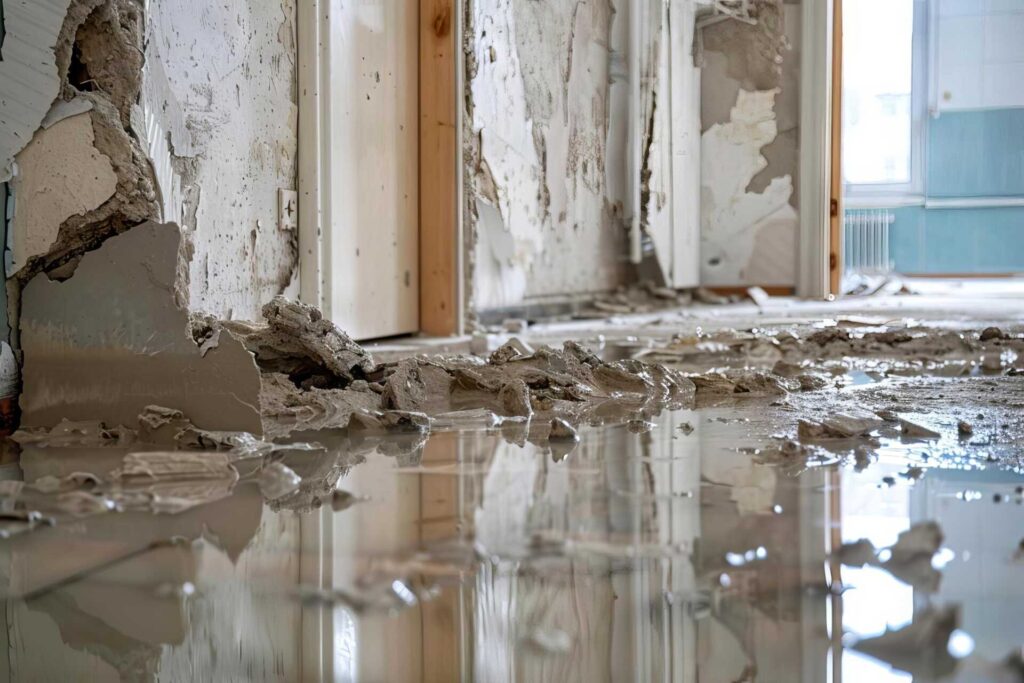
Societies devised innovative methods for water damage cleanup that reflected their understanding of environmental management. By examining these historical approaches, we can uncover valuable insights into community resilience and adaptation. What lessons can we draw from the past to address contemporary water damage issues effectively?
Key Takeaways
- Ancient civilizations employed canals and irrigation systems to manage excess water and mitigate flooding effectively.
- Communities in the Middle Ages utilized wooden shovels and woven baskets for collective water cleanup efforts.
- Local laborers collaborated to design drainage systems and construct sandbag barriers to protect against water damage.
- Technological advancements, such as moisture meters and infrared cameras, have significantly enhanced modern water damage cleanup methods.
- Historical events, like the Great Chicago Fire, underscore the importance of robust infrastructure and community resilience in disaster recovery.
Ancient Techniques for Water Damage Mitigation
Throughout history, various cultures have developed innovative techniques for mitigating water damage, often driven by necessity and resource availability. You might be surprised to learn that ancient Egyptians utilized a system of canals and dikes to control flooding from the Nile, demonstrating an early understanding of water management.
Similarly, the Mesopotamians constructed intricate irrigation systems to redirect excess water away from their homes and crops. These methods weren’t just functional; they reflected a community’s connection to their environment and their ability to adapt.
In ancient Rome, aqueducts supplied water and helped manage runoff, showcasing a sophisticated approach to urban planning.
Middle Ages: Evolving Methods of Water Cleanup
In the Middle Ages, you’d find communities banding together to tackle water damage, using a variety of evolving tools and techniques.
These collective efforts aimed at restoring homes and had a significant impact on public health, highlighting the interconnectedness of the environment and society.
Understanding these historical methods provides insight into how far we’ve come in addressing water damage today.
Tools and Techniques
As societies in the Middle Ages confronted the frequent threat of water damage, they developed innovative tools and techniques that reflected their understanding of both the environment and available resources.
You’d find wooden shovels for digging ditches, allowing for efficient drainage of flooded areas. Additionally, woven baskets helped transport debris and excess water. The use of straw and hay as absorbent materials showcased a creative approach to cleanup.
Communities also relied on simple pumps and waterwheels to manage water levels, illustrating an intersection of engineering and practicality. Each tool wasn’t just a solution; it represented a collective effort to adapt to nature’s challenges, fostering a sense of resilience and belonging among those who relied on these methods for survival.
Community Efforts
While communities in the Middle Ages faced the constant threat of water damage, their collaborative efforts led to the development of increasingly effective cleanup methods. Local laborers pooled resources, sharing tools and knowledge to create more resilient strategies. The significance of community cannot be overstated, as it fosters a sense of belonging and mutual support in times of crisis.
| Method | Community Involvement |
|---|---|
| River Diversion | Villagers worked together |
| Drainage Systems | Cooperation in design |
| Sandbag Barriers | Collective labor efforts |
| Regular Maintenance | Community-led initiatives |
These methods demonstrate how interdependence shaped the approaches to water cleanup, showcasing the crucial role of the community in overcoming adversity.
Impact on Health
The relationship between water damage cleanup methods and public health during the Middle Ages reveals a critical intersection of environmental management and community well-being.
During this period, inadequate cleanup often led to contaminated water sources, exacerbating the spread of diseases like cholera and dysentery. You’d see communities rallying to improve sanitation practices, recognizing the direct link between clean water and health.
Methods evolved from simple drainage systems to more structured approaches, reflecting a growing understanding of hygiene. This awareness fostered a sense of belonging among residents, as they collectively worked towards safer living conditions.
Industrial Revolution Innovations in Water Damage Restoration
Innovation during the Industrial Revolution transformed numerous industries, including water damage restoration. You mightn’t realize it, but advancements in steam power and machinery greatly improved how people approached cleanup after floods or leaks.
The introduction of powered pumps allowed for quicker water removal, reducing damage and minimizing health risks.
Moreover, the creation of specialized tools, like the first mechanical dehumidifiers, helped tackle moisture control more effectively.
These innovations didn’t just streamline the process; they fostered a sense of community by enabling faster recovery for households and businesses.
The Rise of Modern Water Damage Solutions
As you explore modern water damage solutions, you’ll notice significant technological advancements that streamline cleanup processes.
These innovations enhance efficiency and align with eco-friendly practices, reflecting a growing awareness of environmental impact.
Additionally, understanding insurance and restoration policies can empower you to navigate recovery more effectively.
Technological Advancements in Methods
While traditional methods of water damage cleanup often relied on brute force and time-consuming processes, modern technological advancements have transformed this field into a more efficient and precise operation.
You’ll find that these innovations expedite the cleanup and enhance the effectiveness of your efforts. Here are four key advancements you should know about:
Moisture Meters: These tools accurately measure moisture levels, ensuring no hidden dampness remains.
Infrared Cameras: They help detect water damage behind walls and ceilings without invasive methods.
High-velocity Fans: These fans accelerate drying times, minimizing mold growth.
Dehumidifiers: Advanced models remove moisture from the air efficiently, aiding in rapid recovery.
Embracing these technologies can greatly improve your cleanup results.
Eco-Friendly Cleanup Practices
Recognizing the environmental impact of traditional cleanup methods, many are turning to eco-friendly practices in water damage restoration. These practices prioritize sustainable materials and techniques, reducing harmful chemicals and waste.
For instance, using biodegradable cleaning agents protects your home and safeguards local ecosystems. Additionally, energy-efficient drying equipment minimizes electricity consumption, aligning with broader environmental goals.
You might also consider water reclamation systems that recycle gray water for non-potable uses, showcasing a commitment to resource conservation. Embracing these modern solutions reflects an understanding of our interconnectedness with nature, fostering a sense of community responsibility.
Insurance and Restoration Policies
In today’s world, many homeowners are becoming increasingly aware of the complexities surrounding insurance and restoration policies related to water damage.
Understanding these policies is essential for effective recovery and financial protection. Here are four key aspects to take into account:
Coverage Types: Know what your policy includes—some cover mold remediation while others don’t.
Deductibles: Be aware of your deductible amounts; they can greatly impact your out-of-pocket costs.
Claim Process: Familiarize yourself with the claims process to ensure timely assistance.
Restoration Networks: Work with certified restoration professionals, as insurers often have preferred vendors that streamline the process.
Cultural Practices in Water Damage Management
Cultural practices in water damage management reveal how societies adapt to environmental challenges and prioritize community resilience. Across different cultures, you’ll find unique methods reflecting local values and environmental contexts.
For instance, in some Indigenous communities, traditional knowledge guides sustainable water management, emphasizing restoration over mere cleanup. This approach fosters a deeper connection to the land and its resources.
In contrast, urban settings may rely on community networks to coordinate responses, sharing resources and knowledge to mitigate damage collectively. These practices strengthen societal bonds, fostering a sense of belonging and shared responsibility.
Moreover, rituals around water—whether through prayer, storytelling, or communal gatherings—help communities process trauma and rebuild after disasters.
Impact of Technology on Water Damage Cleanup
While traditional methods of water damage cleanup have their merits, the integration of technology has transformed the landscape of restoration efforts.
You’ll find that modern tools enhance efficiency and improve the overall quality of cleanup.
Here are four key technological advancements that make a difference:
Moisture Detection Sensors: These devices pinpoint hidden damp areas, ensuring no moisture is left behind.
High-Volume Air Movers: They accelerate evaporation, drastically reducing drying time.
Infrared Cameras: These help visualize moisture behind walls, allowing for targeted remediation.
Drones: They provide aerial assessments of large or hard-to-reach areas, streamlining the evaluation process.
Lessons Learned From Historical Water Damage Incidents
Understanding the lessons learned from historical water damage incidents can greatly shape modern restoration practices. By examining past events, you can identify common pitfalls and effective strategies that emerged over time.
For instance, consider the Great Chicago Fire of 1871; inadequate water supply systems exacerbated the damage. Today, ensuring robust infrastructure and emergency preparedness remains essential.
Additionally, the aftermath of Hurricane Katrina revealed the need for community resilience and swift response coordination. Engaging local networks and fostering relationships can considerably enhance recovery efforts.
You’ll also find that documenting previous incidents provides invaluable data for future planning.
Interdisciplinary approaches that incorporate engineering, environmental science, and social dynamics create a holistic understanding of water damage. By integrating these lessons, you can contribute to building stronger, more resilient communities equipped to handle water-related challenges, fostering a sense of belonging and shared responsibility in the process.
Wrap-Up
As you reflect on the historical tapestry of water damage cleanup, consider how these ancient threads weave resilience into our modern practices. Just as the Egyptians harnessed the Nile, you too can draw on the wisdom of past communities to face today’s challenges. By blending time-honored techniques with cutting-edge technology, you’re restoring spaces and cultivating a culture of cooperation and innovation. In this dance with water, every lesson learned helps you navigate future storms with confidence.
Recent Posts
Essential Steps for Sewage Spill Cleanup
When faced with a sewage spill, can you afford to overlook the essential steps for
5 Essential Tips for Sewage Spill Cleanup
When a sewage spill occurs, it’s important to act swiftly and effectively. You need to
What Are the Best Flood Water Extraction Methods?
When facing flood damage, understanding the extraction methods, selecting the right equipment, and implementing timely