
Contents
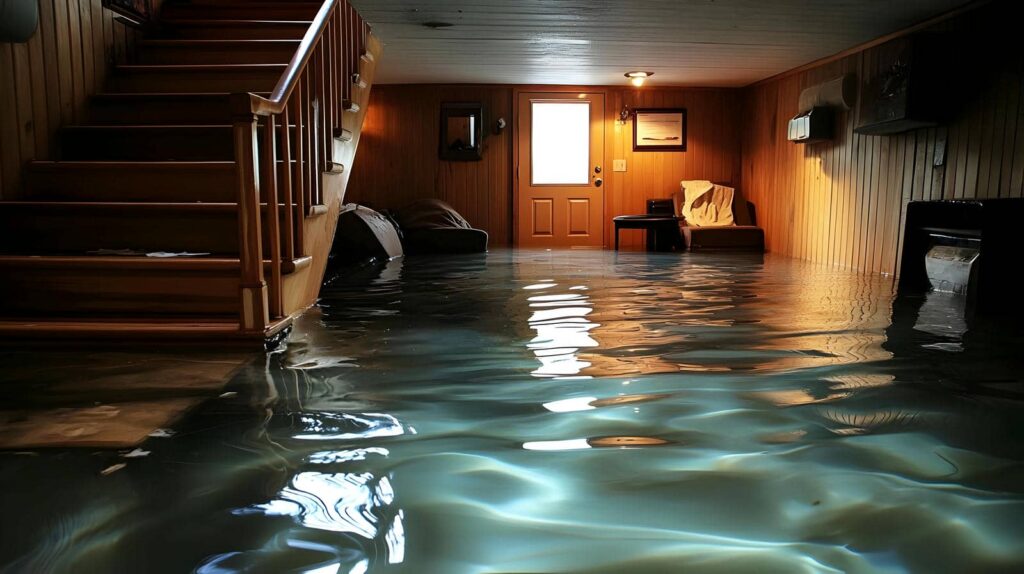
When water invades your basement, it’s like an uninvited guest that won’t leave. You need to act swiftly and methodically to mitigate damage and restore order. From sump pump installation to the strategic use of absorbent materials, each technique has its place in effective water extraction. Understanding these methods can make a significant difference in your approach. Let’s explore the top techniques that can help you regain control and prevent future issues.
Key Takeaways
- Install sump pumps, choosing between submersible or pedestal types, to effectively remove water and prevent mold growth in basements.
- Utilize wet/dry vacuums with high suction power and sufficient tank capacity for efficient water extraction in tight spaces.
- Implement water extraction pumps, ensuring the right flow rate and durability to expedite water removal and drying processes.
- Employ absorbent materials like pads or towels with antimicrobial properties to quickly manage moisture and prevent mold development.
- Consider professional water removal services for comprehensive extraction, damage assessment, and assistance with insurance claims after flooding incidents.
Sump Pump Installation
Installing a sump pump typically involves several essential steps to ensure effective water removal from your basement.
First, choose the right sump pump type based on your needs—submersible or pedestal pumps are common choices. Submersible pumps sit in the sump basin, while pedestal pumps are mounted above it.
Next, you’ll need to prepare the installation site by digging a sump pit, making sure it’s deep enough to accommodate the pump and allow for drainage.
Connect the pump to a drainage pipe that directs water away from your home, preventing flooding and structural damage.
Finally, test the system to confirm it’s functioning correctly; this is critical for maximizing the sump pump benefits, such as preventing mold growth and preserving your home’s integrity.
Following these steps secures your basement and brings peace of mind, knowing you’ve taken an important step for your home’s protection.
Wet/Dry Vacuum Usage
When using a wet/dry vacuum for basement water extraction, selecting the right model is vital for efficiency and effectiveness.
You’ll need to understand proper operation techniques to maximize suction and minimize mess, as well as adhere to maintenance and safety tips to prolong the vacuum’s lifespan.
With these considerations in mind, you can tackle water removal with confidence.
Selecting the Right Vacuum
Choosing the right vacuum for basement water extraction is essential, as it directly impacts the efficiency and effectiveness of the cleanup process.
You’ll want to evaluate various vacuum types and their suction power to ensure peak performance. Here are three key factors to guide your selection:
Suction Power: Look for a vacuum with high suction power to handle large volumes of water quickly.
Tank Capacity: A larger tank will minimize interruptions during the extraction, allowing for continuous operation.
Portability: Choose a vacuum that’s easy to maneuver, especially in tight spaces, ensuring you can reach all affected areas.
Proper Vacuum Operation Techniques
To maximize the effectiveness of your wet/dry vacuum during basement water extraction, it’s crucial to familiarize yourself with the proper operation techniques.
First, make sure you’ve selected the appropriate vacuum type; models vary in suction power, which directly impacts efficiency.
Before starting, inspect the vacuum for any clogs or issues that could hinder performance.
When vacuuming, begin at the farthest corner of the basement and work your way towards the exit, maintaining a steady pace to allow the vacuum to capture as much water as possible.
Use the appropriate attachments for corners and tight spaces, making certain you’re maximizing suction power.
Finally, periodically check the vacuum tank to prevent overflow, allowing for uninterrupted operation and effective water removal.
Maintenance and Safety Tips
While using a wet/dry vacuum can greatly aid in basement water extraction, adhering to maintenance and safety protocols is essential to ensure both equipment longevity and operator safety.
Here are some key maintenance and safety tips to keep in mind for effective flood preparedness:
Inspect Regularly: Check for damage or wear on the vacuum’s power cord and attachments. Replace any faulty components immediately to maintain safe operation.
Use Safety Equipment: Always wear rubber gloves and waterproof boots when operating the vacuum in flooded areas to protect against electrical hazards and contaminants.
Clean After Use: Empty and clean the vacuum tank thoroughly after each use to prevent mold growth and maintain peak performance.
Water Extraction Pumps
Water extraction pumps are vital tools in managing basement flooding and excess moisture. When selecting a pump, consider its type—submersible or non-submersible—based on your specific needs. Submersible pumps work well for considerable water accumulation, while non-submersible pumps are ideal for smaller amounts.
Understanding pump efficiency is fundamental; an efficient pump can greatly reduce extraction time, ensuring your basement dries quickly and minimizes damage.
When using water extraction methods, verify the pump’s capacity matches the volume of water you’re dealing with. Check the pump’s flow rate, measured in gallons per minute (GPM), to determine how effectively it can handle flooding.
Additionally, consider the pump’s durability and maintenance requirements, as these factors impact long-term performance. By choosing the right water extraction pump, you’ll expedite the drying process and foster a safer, healthier environment in your basement.
Floor Drain Utilization
When managing basement water extraction, understanding the design of floor drains is essential for effective drainage.
You’ll need to prioritize regular maintenance and cleaning to ensure peak performance.
Additionally, employing efficient water flow techniques will enhance the overall functionality of your drainage system.
Floor Drain Design Importance
Effective floor drain design is essential for managing water accumulation in basements, as it directly impacts the efficiency of water extraction processes.
To ensure peak performance, consider the following factors:
Floor Drain Materials: Choose durable materials such as PVC or stainless steel to resist corrosion and ensure longevity.
Drainage Slope: Maintain a proper slope towards the drain to facilitate smooth water flow, preventing pooling and reducing potential damage.
Size and Placement: Adequately size and strategically place floor drains to handle anticipated water volumes in your basement, ensuring quick, effective water removal.
Maintenance and Cleaning Tips
To maximize the efficiency of your floor drain system, regular maintenance and cleaning are essential.
Establish a preventive maintenance routine that includes inspecting the drain for debris and blockages at least once a month. Use a wet/dry vacuum to remove any accumulated dirt and sediment, ensuring smooth water flow.
Create a cleaning schedule that incorporates thorough cleaning every three to six months, utilizing a mixture of vinegar and baking soda to eliminate odors and buildup.
Additionally, check for any signs of corrosion or damage to the drain cover and the surrounding area.
Efficient Water Flow Techniques
Maintaining efficient water flow in your basement starts with understanding how to effectively utilize floor drains.
Floor drains are crucial components of your drainage systems, ensuring that excess water is directed away efficiently.
Here are three ways to optimize their performance:
Regular Maintenance: Keep drains clear of debris and verify they’re functioning properly. Clogs can hinder water flow and cause backups.
Install Water Barriers: Utilize water barriers around drains to prevent flooding from heavy rains. This helps channel water directly into your drainage systems.
Monitor Flow Rates: Regularly check the flow rate during heavy rainfall to assess if your drainage systems can handle the influx. If not, consider upgrading.
Absorbent Materials
When dealing with basement water extraction, the choice of absorbent materials can greatly impact your success in managing moisture. To effectively combat water intrusion, consider using high-quality options like towels, sponges, or specialized absorbent pads. These materials are designed for maximum moisture retention, allowing you to soak up water quickly and efficiently.
You should assess the size of the affected area to determine the quantity needed—more extensive damage may require more absorbent materials. Additionally, opt for products with antimicrobial properties to prevent mold growth, which is essential for long-term health and safety.
When placing these materials, focus on areas where water tends to collect, ensuring you cover surfaces thoroughly. After absorption, make sure to regularly replace saturated materials to maintain effectiveness.
Dehumidification Techniques
While absorbent materials play a crucial role in initial water extraction, effective dehumidification techniques are essential for preventing further moisture-related issues in your basement.
You need to implement the right humidity control strategies to safeguard your space. Here are three dehumidifier types to evaluate:
Refrigerant Dehumidifiers: These work by cooling the air, causing moisture to condense and collect. They’re perfect for larger basements with higher humidity levels.
Desiccant Dehumidifiers: Using moisture-absorbing materials, these are ideal for colder climates where condensation might be a concern.
Whole-House Dehumidifiers: If you’re serious about long-term humidity control, these integrate into your HVAC system, ensuring consistent moisture management throughout your home.
Selecting the proper dehumidification technique can greatly enhance your basement’s comfort and integrity, creating a welcoming environment for you and your family.
Professional Water Removal Services
If you find yourself dealing with significant water damage, hiring professional water removal services can be essential in mitigating further risks.
These specialists possess the expertise and equipment necessary for effective extraction, ensuring your basement is thoroughly dried and sanitized. They utilize high-powered pumps and specialized vacuums to remove standing water quickly, preventing mold growth and structural damage.
In addition to immediate extraction, these professionals often assess the damage to help you understand your flood insurance options. Effective communication about your situation can guide you through claims processes, making it easier to recover costs.
Moreover, engaging with experts enhances your emergency preparedness for future incidents. They provide valuable insights on maintaining your property and implementing preventive measures, so you can feel more secure in your home.
Investing in professional services restores your space and fosters a sense of community support during challenging times.
Water Diversion Systems
Water diversion systems are essential for preventing basement flooding and managing excess moisture around your property. By effectively directing water flow away from your foundation, you can reduce the risk of damage.
Implementing these drainage solutions involves three key components:
Gutters and Downspouts: Verify your gutters are clear, and downspouts extend at least six feet from your foundation to direct water away.
French Drains: Install a French drain system around your property. This underground trench collects and redirects water, alleviating pressure on your basement walls.
Grading: Properly grade your yard to slope away from your home. This encourages water to flow away, minimizing pooling near your foundation.
Natural Drainage Solutions
Natural drainage solutions offer an eco-friendly approach to managing excess water around your property, utilizing the landscape’s natural features to redirect runoff.
By implementing effective drainage landscaping techniques, you can enhance the natural slope of your yard, guiding water away from your basement and foundation.
Consider creating swales or rain gardens that encourage infiltration, allowing water to naturally filter through the soil. These features aid in drainage and promote natural filtration, improving water quality before it reaches local waterways.
Integrating permeable surfaces, like gravel pathways or porous pavers, can further assist in reducing surface runoff.
Additionally, planting native vegetation can stabilize soil and absorb excess moisture, ensuring your yard remains resilient during heavy rains.
Flood Barriers and Sandbags
When you’re faced with potential flooding, effective barrier placement is essential for minimizing water intrusion.
You’ll need to understand proper sandbag construction techniques to ensure they form a solid defense against rising water.
Effective Barrier Placement
To effectively prevent flooding in your basement, you must strategically place flood barriers and sandbags around vulnerable entry points. Here are three essential steps for ideal barrier placement:
Identify Entry Points: Inspect your basement for potential weak spots, such as windows, doors, and any cracks in the foundation. Knowing these areas helps you focus your efforts.
Select Effective Barrier Materials: Use high-quality sandbags and durable flood barriers. Verify they can withstand water pressure and are properly sealed to prevent seepage.
Create a Protective Perimeter: Arrange the barriers in a U-shape or circular formation around the entry points. This design directs water away from your home, enhancing the effectiveness of your flood prevention strategy.
Sandbag Construction Techniques
Constructing effective sandbags is vital for creating reliable flood barriers that can withstand significant water pressure. To ensure sandbag durability, use high-quality materials and fill them to about two-thirds capacity. Proper sandbag placement is essential; stagger bags in a pyramid formation for maximum stability. Here’s a quick reference table to guide you:
| Step | Description | Tips |
|---|---|---|
| Fill | Use clean sand or soil | Avoid large rocks |
| Seal | Twist and tie the top securely | Confirm no gaps |
| Stack | Place bags in a staggered pattern | Create a pyramid shape |
| Monitor | Check regularly for shifting or leaks | Reinforce as needed |
Frequently Asked Questions
How Can I Prevent Future Basement Flooding?
To prevent future basement flooding, install effective drainage systems and ensure sump pumps function properly. Regular maintenance and inspections will help you identify potential issues early, keeping your basement dry and your home safe.
What Are the Signs of Water Damage in a Basement?
Many people experience a water damage emergency daily. In your basement, look for water stains on walls and ceilings, and notice any musty odors—these are clear signs of potential water damage that needs addressing.
Is Homeowner’s Insurance Effective for Flood Damage?
Homeowner’s insurance typically doesn’t cover flood damage. You’ll need separate flood insurance for adequate protection. Check your policy’s coverage limits carefully to ensure you have enough to address potential flood-related losses effectively.
How Long Does It Take for a Basement to Dry Completely?
It typically takes 3 to 5 days for a basement to dry completely, depending on drying methods and moisture levels. Using dehumidifiers and fans can accelerate drying, ensuring a safer, healthier environment for you.
What Health Risks Are Associated With Flooded Basements?
Flooded basements pose significant health risks, including mold growth and bacterial exposure. You’re at risk of respiratory issues and allergic reactions if these conditions persist, so addressing water damage promptly is essential for your well-being.
Conclusion
By employing these ten effective basement water extraction techniques, you can greatly reduce the risk of damage and mold growth. But remember, every flood is unpredictable, and the next storm could bring more than just a few inches of water. Are you prepared to handle it? Take action now to safeguard your home. With the right tools and strategies in place, you’ll manage immediate flooding and fortify your basement against future threats.
Recent Posts
Why Does Insurance Cover Mold Removal Services?
Mold can be a hidden menace in your home, often growing unnoticed until it causes
Steps for Filing Emergency Water Damage Claims
When faced with emergency water damage, it’s essential to act swiftly and systematically. Start by
Navigating Water Damage Insurance Claims: A Guide
Steering through water damage insurance claims can be intimidating, especially when you’re faced with the