
Contents
After a flood, you’re faced with the urgent task of preventing mold growth in your home. Understanding the crucial steps for effective mold removal can make all the difference. From evaluating the damage to ensuring proper ventilation, each action you take is essential. Ignoring these measures can lead to serious health risks and costly repairs. Let’s explore the fundamental tips you need to follow to safeguard your living space.
Key Takeaways
- Remove standing water immediately to prevent mold growth and use appropriate pumps for effective water removal.
- Conduct a thorough damage assessment and prioritize the removal of severely affected materials like drywall and insulation.
- Ensure proper ventilation by opening windows and using exhaust fans to reduce indoor humidity levels.
- Wear protective gear, including N95 masks and gloves, to minimize exposure to mold during cleanup.
- Monitor indoor humidity levels with a hygrometer, aiming to maintain a range of 30%-60% to discourage mold growth.
Assess the Damage and Identify Affected Areas
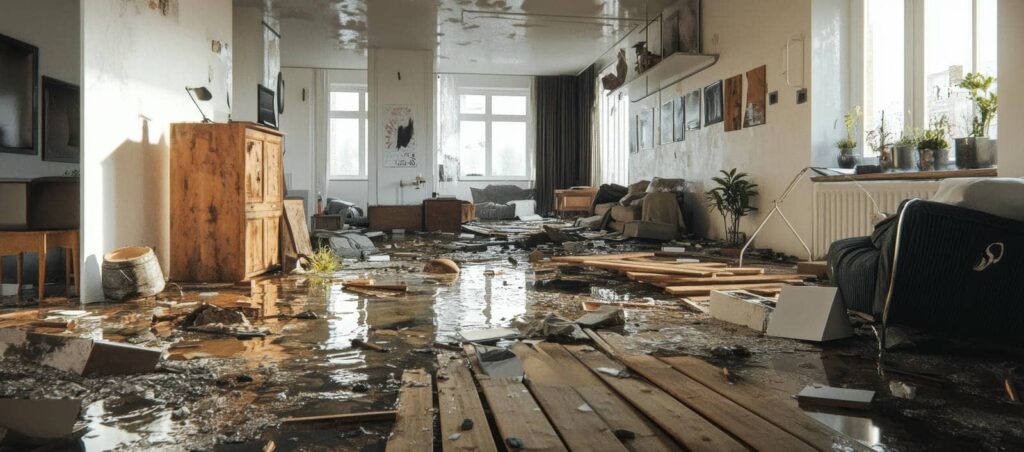
After a flood, it’s essential to assess the damage and identify affected areas to effectively tackle mold removal. Start by conducting a thorough damage assessment throughout your home.
Look for visible signs of water intrusion and inspect materials like drywall, insulation, and flooring. These are often the first affected materials, and they can harbor mold if not promptly addressed.
Document your findings, noting the severity of damage and specific locations. Pay close attention to hidden areas, such as behind appliances and inside cabinets, where moisture may linger undetected.
Remember, even small amounts of water can lead to significant mold growth.
Once you’ve compiled your assessment, prioritize the most severely affected materials for removal or remediation. This step is vital in preventing further mold spread and ensuring a safe environment for you and your family.
Ensure Proper Ventilation
To effectively combat mold growth following a flood, ensuring proper ventilation in your home is essential. By implementing effective airflow management and ventilation strategies, you can considerably reduce moisture levels, making it difficult for mold to thrive. Here are some strategies to reflect on:
| Ventilation Strategy | Description |
|---|---|
| Open Windows | Allow fresh air to circulate, reducing humidity. |
| Use Exhaust Fans | Install fans in high-moisture areas like kitchens. |
| Dehumidifiers | Utilize to maintain ideal indoor humidity levels. |
| Air Purifiers | Filter out mold spores from the air. |
| Ceiling Fans | Promote air circulation throughout the home. |
Remove Standing Water Promptly
After a flood, it’s essential to remove standing water as quickly as possible to prevent mold growth.
Use pumps effectively to expedite this process, ensuring you clear out as much water as you can.
Always prioritize safety by wearing protective gear and turning off electrical sources in affected areas before you start.
Use Pumps Effectively
Promptly removing standing water is crucial in the aftermath of a flood, as even a few inches can lead to significant mold growth.
To effectively use pumps and minimize moisture, consider these techniques:
Choose the Right Pump Types: Submersible pumps work well for deep water, while utility pumps are ideal for shallow areas.
Start Early: Begin pumping water as soon as it’s safe, prioritizing areas with the most standing water.
Monitor Water Levels: Keep a close eye on water levels to ensure you’re effectively removing them and adjust your strategy accordingly.
Use Multiple Pumps: If necessary, deploy several pumps to speed up the process and cover more ground.
Safety First Always
Ensuring safety during the mold removal process is vital, especially when dealing with standing water after a flood.
First, you’ll want to remove that water promptly to prevent mold growth, which can greatly impact your health. Always wear protective gear, including gloves, masks, and boots, to adhere to safety protocols. This minimizes your exposure to harmful mold spores that can compromise your respiratory health.
Remember, stagnant water can be a breeding ground for bacteria and other pathogens, increasing health risks. After draining the water, ventilate the area thoroughly to aid in drying and further mold prevention.
Prioritize your safety and the well-being of your loved ones by following these steps diligently; it’s a vital part of maintaining a healthy living environment.
Use Protective Gear
When tackling mold removal after a flood, using protective gear is essential for your safety. Mold spores can pose health risks, so equipping yourself with the right safety equipment is vital.
Here’s a quick list of what you should wear:
Protective Clothing: Choose long-sleeved shirts and pants that cover your skin completely.
Gloves: Use rubber or latex gloves to protect your hands from mold and cleaning agents.
N95 Respirator Mask: This mask filters out harmful spores, minimizing inhalation risks.
Safety Goggles: Protect your eyes from mold spores and cleaning chemicals.
Dispose of Contaminated Materials
As you begin the mold removal process, disposing of contaminated materials is essential to prevent further mold growth and protect your health. Proper mold disposal techniques will help ensure a safer environment for you and your loved ones. Follow these contaminated material guidelines to effectively manage what needs to go.
| Type of Material | Disposal Method | Notes |
|---|---|---|
| Carpets | Seal in plastic bags, discard | Must be replaced if heavily contaminated |
| Drywall | Cut out affected areas, discard | Dispose of in sealed containers |
| Upholstered Furniture | Cleanable? If not, discard | Consider professional cleaning if salvageable |
| Insulation | Remove and discard | Must be replaced if wet or moldy |
Clean Surfaces With Mold Removal Solutions
After disposing of contaminated materials, it’s essential to clean all surfaces thoroughly with effective mold removal solutions.
To ensure you’re tackling the issue head-on, follow these cleaning techniques:
Choose the Right Solution: Use a commercial mold removal solution or a DIY mix of vinegar and water to combat mold effectively.
Scrub Surfaces: Apply the solution to affected areas and scrub with a brush to remove visible mold.
Rinse and Repeat: After scrubbing, rinse the surface with clean water and check for any remaining mold. If needed, repeat the process.
Disinfect: Finally, apply a disinfectant to the cleaned areas to prevent future mold growth.
These steps create a cleaner environment and foster a sense of community among those dealing with similar challenges.
Don’t underestimate the significance of these mold removal solutions in reclaiming your space from the aftermath of flooding.
Dry the Area Thoroughly
To effectively combat mold growth, you must dry the area thoroughly as soon as possible. Mold thrives in damp environments, so the faster you can eliminate moisture, the better your chances of preventing a significant outbreak.
Start by using fans and dehumidifiers to enhance airflow and expedite the drying process. Open windows, if the weather permits, to create a cross-breeze that will help evaporate water more efficiently.
Consider using specialized drying techniques, like moisture meters, to identify hidden damp areas that might go unnoticed. Don’t forget to check behind walls, under carpets, and in cabinets, as these spots can harbor moisture and foster mold growth.
Remove saturated materials, such as carpets or drywall, that can’t be adequately dried to ensure you’re tackling the problem effectively.
Monitor Humidity Levels
To prevent mold growth, you need to monitor humidity levels closely after a flood.
The ideal humidity range is between 30% and 60%, so invest in a hygrometer to track these measurements regularly.
Keeping humidity in check will greatly reduce the likelihood of mold returning.
Ideal Humidity Range
Maintaining the ideal humidity range is essential for preventing mold growth after a flood, as excessive moisture creates an environment ripe for spores to thrive.
To effectively manage humidity levels, keep these tips in mind:
- Aim for an indoor humidity level of 30-60% to discourage mold.
- Use dehumidifiers in damp areas to absorb excess moisture.
- Ventilate spaces well, especially in kitchens and bathrooms, to promote airflow.
- Check for leaks and fix them immediately to prevent moisture accumulation.
Use a Hygrometer Regularly
Monitoring humidity levels is essential in preventing mold growth, especially after a flood. You should use a hygrometer regularly to keep track of the moisture in your home.
Ideally, indoor humidity should stay between 30% and 60%. If you notice levels above this range, it’s vital to take action. Invest in dehumidifiers or ensure proper ventilation to maintain humidity control. This helps prevent mold growth and promotes a healthier living environment.
Regularly check your hygrometer, particularly in areas prone to dampness, like basements and bathrooms. By staying vigilant with humidity levels, you can protect your home and create a safe space for you and your loved ones.
Your proactive measures can make a significant difference.
Consider Professional Mold Remediation
While you might be tempted to tackle mold removal on your own, considering professional mold remediation can greatly enhance the effectiveness of the cleanup process.
Experts possess the training and resources to conduct a thorough mold assessment, ensuring you don’t overlook hidden growth.
Here are four reasons why you should consider professional help:
Expert Knowledge: Professionals understand various remediation techniques tailored to specific mold types and situations.
Safety Precautions: They’ve the right equipment and protective gear to handle hazardous mold safely.
Comprehensive Cleanup: Professionals can identify and treat affected areas you might miss, preventing future issues.
Time Efficiency: They can complete the job quickly, allowing you to focus on restoring your home.
Choosing professional services safeguards your health and fosters a sense of community, knowing you’re taking the best steps for your home and family.
Implement Preventative Measures
To prevent mold growth after a flood, you need to prioritize regular inspections and maintenance of your property.
Make sure your ventilation systems are functioning properly to reduce humidity levels, which can contribute to mold development.
Regular Inspections and Maintenance
Regular inspections and maintenance play an essential role in preventing mold growth after a flood.
By establishing a consistent maintenance schedule, you can effectively protect your home and loved ones.
Here’s how to stay proactive:
Conduct regular mold inspections every few months, especially in areas prone to moisture.
Document findings from each inspection to track changes and identify patterns over time.
Schedule necessary repairs promptly, addressing leaks or water damage to minimize mold risk.
Educate family members on identifying early signs of mold, fostering a collective responsibility for your home’s health.
Proper Ventilation Systems
A well-functioning ventilation system is essential for preventing mold growth in spaces affected by flooding. Proper air circulation helps to reduce humidity levels, which is vital in mold prevention. Here’s a quick reference to different types of ventilation systems:
| Type of Ventilation | Benefits |
|---|---|
| Natural Ventilation | Cost-effective, eco-friendly |
| Mechanical Ventilation | Controlled airflow, efficient |
| Exhaust Ventilation | Removes excess moisture |
| Supply Ventilation | Introduces fresh air |
| Balanced Ventilation | Maintains consistent air quality |
Frequently Asked Questions
How Long Does It Take for Mold to Develop After a Flood?
Mold growth can start within 24 to 48 hours after flooding, depending on flood damage factors like humidity and temperature. Understanding this mold growth timeline helps you act quickly to prevent further issues.
Can I Use Bleach to Kill Mold Effectively?
You can’t rely solely on bleach for effective mold removal. While it works on certain mold types, it doesn’t penetrate porous surfaces. Consider alternative solutions for thorough mold remediation and ensure long-term prevention in your environment.
Are There Natural Remedies for Mold Removal?
When mold creeps in like unwelcome shadows, you can turn to natural solutions. Essential oils, like tea tree and lavender, combat mold and fill your space with soothing scents, fostering a revitalizing atmosphere.
What Are the Health Risks Associated With Mold Exposure?
Mold exposure can lead to various health risks, including respiratory issues. You might experience mold symptoms like coughing, sneezing, or headaches. It’s essential to address mold problems promptly to protect your well-being and maintain a healthy environment.
How Can I Prevent Mold From Returning After Removal?
Think of mold as a persistent weed in your garden. To prevent it from returning, implement moisture control measures and mold prevention strategies, ensuring your space stays dry, well-ventilated, and free from dampness.
Final Thoughts
In the aftermath of a flood, tackling mold is like racing against time—every moment counts. By following these essential tips, you can effectively minimize mold growth and protect your home. Prioritize evaluating damage, ensuring ventilation, and drying out affected areas. Keep a close eye on humidity levels and don’t hesitate to seek professional help if needed. With proactive measures, you’ll safeguard your space and create a healthier environment for you and your loved ones.
Recent Posts
Mold Prevention Strategies Post-Flood Cleanup
After a flood, mold can quickly become a serious issue if you don’t act fast.
10 Tips for Mold Remediation After Flooding
Flooding can lead to rapid mold growth, which poses serious health risks and damages your
3 Best Mold Remediation Strategies After Flood Damage
After flood damage, addressing mold growth is essential for your health and property. You need