
Contents
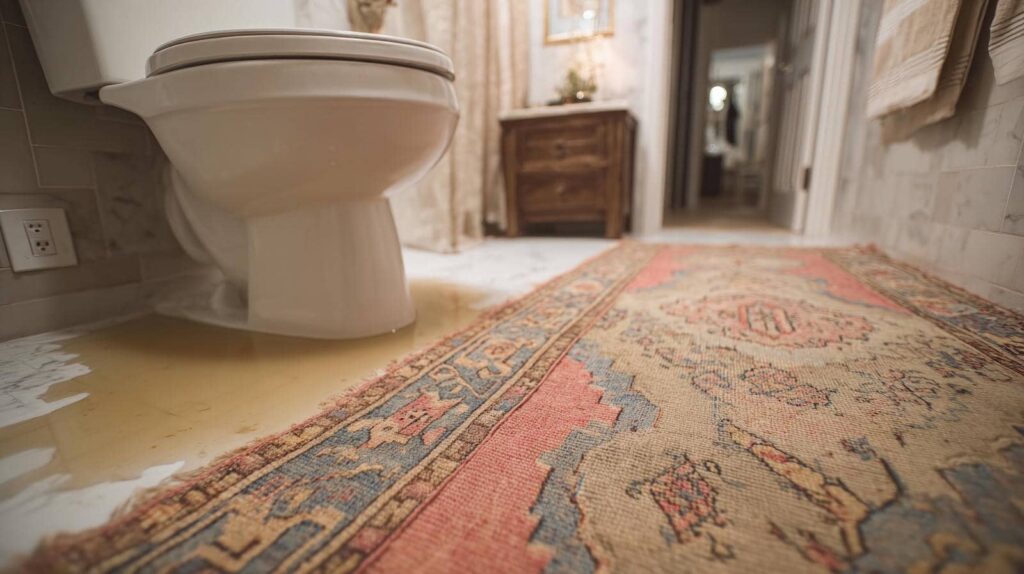
Imagine walking into your home only to find a flooded basement, the stench of sewage lingering in the air. It’s a stressful situation, but knowing how to navigate sewage backup cleanup claims can help you secure quick reimbursement. From documenting the damage to understanding your insurance policy, each step is critical. Discover the essential tips to guarantee you’re adequately prepared when the time comes to file your claim.
Key Takeaways
- Review your insurance policy for sewage backup coverage and specific endorsements that may affect your claim.12
- Document all damage meticulously with photos, lists of affected items, and receipts for repairs and cleaning.
- Contact your insurance provider promptly and provide clear details about the sewage backup incident.
- If your claim is denied, understand the reasons and prepare a concise appeal with supporting evidence.
- Consider preventive measures like regular plumbing inspections and installing a backwater valve to avoid future issues.
Understanding Your Insurance Policy
When dealing with sewage backup claims, it’s vital to understand your insurance policy thoroughly. You need to know your policy coverage to determine what damages are included and what’s excluded. Many homeowners assume their standard policy covers sewage backups, but that’s not always the case.
Check if you have specific endorsements for this type of damage, as they can greatly influence your claim. Understanding the claim limits is equally important. Some policies set a cap on the amount you can claim for sewage damages, which may not cover your total losses.
Take the time to read the fine print and ask your insurance agent about any uncertainties. Being well-informed about your coverage and limits can streamline the process and help you avoid unexpected out-of-pocket expenses. This knowledge not only empowers you but also fosters a sense of belonging in the community of homeowners who navigate similar challenges.
Documenting the Damage
To effectively document the damage from a sewage backup, start by photographing all affected areas.
Next, create a detailed list of damaged items to support your claim.
Finally, keep all repair receipts as evidence for your insurance process.
Photograph All Affected Areas
Capturing clear photographs of all affected areas is essential for documenting damage during a sewage backup. Use effective angles that highlight the extent of the damage, guaranteeing your photos convey the situation accurately.
Start with wide shots to establish the overall scene, then zoom in on specific affected spots. When using photographing techniques, consider natural lighting for clarity and avoid flash, which can create glare.
Capture multiple perspectives to guarantee thorough documentation. Don’t forget to include timestamps on your images, as this can help establish a timeline for your claim.
List Damaged Items
As you begin the cleanup process, it’s important to create a thorough list of all damaged items. Start with your furniture damage, noting each piece affected by the sewage backup. Include details like brand, model, and approximate value to help with your claim.
Next, inspect your personal belongings. Document clothing, electronics, and sentimental items that may have been compromised. Use a systematic approach categorize items by room to make sure you don’t overlook anything.
Take note of the extent of damage, whether it’s minor staining or complete destruction. This detailed list will serve as crucial evidence for your reimbursement process, helping restore your sense of belonging and normalcy after the incident.
Keep your documentation organized and accessible for future reference.
Keep Repair Receipts
While you navigate the cleanup process, keeping repair receipts is essential for documenting the damage caused by the sewage backup.
Proper repair documentation not only supports your claims but also aids in expense tracking. Here’s what to remember:
- Collect all invoices: Make certain you have every receipt related to repairs or replacements.
- Take photos: Capture images of the damage and the repair process for visual proof.
- Organize records: Maintain a folder or digital file to easily access all documentation.
- Note additional expenses: Include any temporary accommodations or lost items related to the backup.
Contacting Your Insurance Provider
How do you navigate the process of contacting your insurance provider after a sewage backup?
Start by locating your policy number and any relevant documentation. Call your insurance provider and request to speak with a claims adjuster or insurance representative.
Clearly explain your situation and provide details about the sewage backup incident. Ask about the specific claim procedures you need to follow.
Be prepared to share information regarding the damages and any repairs made. It’s helpful to take notes during your conversation, especially regarding timelines and required documentation.
Don’t hesitate to ask questions if something isn’t clear; understanding the process can ease your stress.
Gathering Necessary Evidence
After contacting your insurance provider, gathering necessary evidence becomes the next step in filing your sewage backup claim.
Collecting documents will help support your case and guarantee a smoother reimbursement process.
Focus on these key evidence types:
- Photographs: Take clear pictures of the damage, showing the affected areas and items.
- Receipts: Keep any receipts for repairs, cleaning supplies, or temporary housing costs related to the backup.
- Professional Reports: Obtain inspections from plumbers or restoration experts detailing the extent of the damage.
- Witness Statements: If applicable, gather statements from neighbors or family who observed the incident.
Estimating Cleanup Costs
Estimating cleanup costs is essential for a successful sewage backup claim. Start by evaluating the extent of the damage in your home.
Create a list of affected areas and items that need cleaning or replacement. Next, research cleanup pricing strategies to get a clear understanding of market rates. Compare costs from local cleaning services and contractors who specialize in sewage cleanup.
When estimating labor costs, consider both the time it takes to clean and the expertise required to handle hazardous materials safely.
Request quotes from professionals to verify you’re not underestimating the expenses. Don’t forget to factor in potential additional costs, such as disposal fees for contaminated materials.
Submitting Your Claim
Once you’ve inspected the cleanup costs, it’s time to submit your claim.
Effective claim submission strategies can make a huge difference in the reimbursement process. Here are some key steps to follow:
- Gather all relevant documents, including photos and receipts.
- Clearly outline your cleanup costs and any additional damages.
- Double-check your insurance policy to guarantee you understand your coverage.
- Avoid common mistakes, like submitting incomplete forms or missing deadlines.
Following Up on Your Claim
Following up on your claim is essential to secure timely processing and resolution. Once you’ve submitted your claim, check in regularly to stay informed about your claim status. This proactive approach shows your commitment and helps maintain a clear line of communication with your insurance provider.
Make follow up calls at set intervals, like every week or two. During these calls, ask specific questions about your claim status and any additional documentation needed. Keep a record of your conversations, noting dates, names, and key points discussed. This not only keeps you organized but also provides a reference if issues arise later.
If you sense any delays, don’t hesitate to voice your concerns. By staying engaged, you’re more likely to receive updates promptly and secure that your claim is processed efficiently.
Dealing With Denied Claims
When your sewage backup claim gets denied, it’s essential to first understand your policy exclusions.
Gather all supporting documentation to strengthen your case, and familiarize yourself with the appeal process steps.
This approach can greatly improve your chances of overturning the denial.
Understand Policy Exclusions
Understanding policy exclusions is essential, especially since many claims for sewage backup cleanup can be denied due to specific coverage limitations.
To navigate this complex landscape, you need to be aware of potential pitfalls in your insurance policy. Here are some common exclusions to watch for:
- Natural disasters: Flooding or heavy rains mightn’t be covered under standard policies.
- Negligence: Damage from lack of maintenance or preventative measures often leads to denied claims.
- Sewer backups: Some policies specifically exclude damage from sewer backups unless additional coverage is purchased.
- Business-related damage: If the property is used for business, standard home insurance may not apply.
Stay informed about these policy limitations and coverage exclusions to enhance your chances of successful reimbursement.
Gather Supporting Documentation
Although dealing with a denied claim can be frustrating, gathering supporting documentation is vital for your appeal. Start by collecting all relevant supporting documents, such as photographs of the damage, receipts for cleanup expenses, and any correspondence with your insurance provider.
This evidence is significant in demonstrating your case during the claim process. Confirm that your documentation is organized and clearly labeled to streamline your submission. If you’ve had professional inspections or reports, include those as well.
Appeal Process Steps
After gathering your supporting documentation, the next step is to initiate the appeal process for your denied claim.
You’ll want to follow these steps to guarantee your appeal is effective:
- Write a clear and concise appeal letter detailing why you believe the claim should be reconsidered.
- Include all supporting evidence, such as invoices, photos, and expert opinions, to strengthen your case.
- Submit your appeal within the specified appeal timeline to avoid missing any deadlines.
- Keep a copy of your appeal letter and any correspondence for your records.
Tips for Efficient Communication
Effective communication is essential when dealing with sewage backup cleanup claims, as it guarantees that all parties involved are on the same page.
Start by practicing effective listening; this helps you understand the concerns and needs of your insurance adjuster or contractors. When discussing your claim, use clear messaging to convey your situation and any relevant details. Be specific about the damages and the cleanup efforts you’ve undertaken.
Document all interactions and follow up in writing to prevent misunderstandings. When asking questions, be direct and concise, which encourages responsive dialogue. Don’t hesitate to request clarification if something isn’t clear—this shows your commitment to resolving the issue.
Finally, maintain a professional tone, even if the situation is frustrating. By fostering open lines of communication, you’ll streamline the claims process and promote a collaborative atmosphere among all involved parties.
Preventing Future Sewage Backups
Clear communication throughout the claims process can highlight areas that need attention to prevent future sewage backups.
To guarantee your home is safeguarded, focus on proactive measures that enhance your sewer system maintenance. Here are some essential strategies:
- Schedule regular inspections with a licensed plumber to catch potential issues early.
- Avoid flushing non-biodegradable items down the toilet to prevent clogs.
- Keep tree roots away from sewer lines by planting them at a safe distance.
- Install a backwater valve to protect against sewage surges during heavy rains.
Frequently Asked Questions
What Types of Damages Are Typically Covered by Insurance?
Most insurance policies cover water damage from various sources, including burst pipes and leaks. Typically, structural damage, personal property loss, and mold issues are also included, but always check your specific policy for details.
How Long Does the Claims Process Usually Take?
Imagine waiting an eternity, but the claims timeline usually spans just a few weeks. You’ll navigate the reimbursement process efficiently, ensuring you’re not left hanging, wondering about your claim’s fate. Stay proactive and informed!
Can I Hire My Own Cleanup Crew?
Yes, you can hire your own cleanup crew. Just guarantee their services meet your insurance requirements. Explore all cleanup options to facilitate a smooth claims process and protect your home effectively.
What Happens if My Claim Is Denied?
If your claim’s denied, review the reasons for denial carefully. You can initiate the claim appeal process, providing additional evidence or documentation to support your case. Stay persistent; many claims get approved upon appeal.
Will My Insurance Premium Increase After Filing a Claim?
Imagine steering through a stormy sea; filing a claim might feel like setting sail. Your insurance policy could face turbulence, and you might see a claim impact that raises your premium. It’s wise to prepare for potential changes.
To Sum Up
Managing sewage backup cleanup claims can be overwhelming, but timely documentation is key. Did you know that nearly 50% of homeowners experience some form of water damage in their lifetime? By understanding your insurance policy, documenting damages, and promptly communicating with your provider, you can streamline your reimbursement process. Remember, staying organized and proactive not only helps you recover faster but also aids in preventing future incidents. Don’t let a backup disrupt your peace of mind.
Recent Posts
Mold Prevention Strategies Post-Flood Cleanup
After a flood, mold can quickly become a serious issue if you don’t act fast.
10 Tips for Mold Remediation After Flooding
Flooding can lead to rapid mold growth, which poses serious health risks and damages your
3 Best Mold Remediation Strategies After Flood Damage
After flood damage, addressing mold growth is essential for your health and property. You need