
Contents
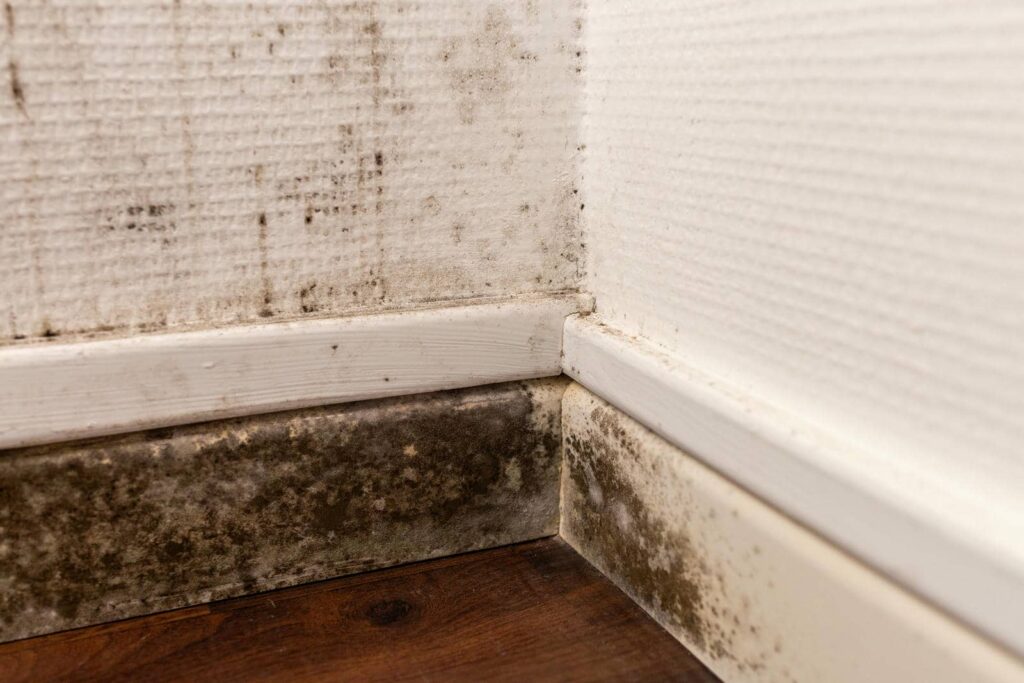
Mold can be a hidden menace in your home, often growing unnoticed until it causes significant damage. Insurance covers mold removal services mainly to shield you from the hefty costs associated with mold-related repairs and health risks. Understanding the specifics of your policy and how mold is addressed is essential. What factors influence coverage, and how can you guarantee you’re protected? Exploring these questions reveals the complexities behind mold insurance coverage.
Key Takeaways
- Insurance covers mold removal to mitigate health risks associated with mold exposure, including respiratory issues and allergic reactions.
- Policies may include mold remediation if the mold growth results from covered perils, like water damage from a burst pipe.
- Timely mold removal prevents structural damage to the property, reducing future repair costs for insurers.
- Proactive maintenance and documentation of mold issues can strengthen the claim for coverage under specific insurance policies.
- Different insurance policies have varying coverage limits, emphasizing the importance of understanding individual policy terms regarding mold.
Understanding Mold Coverage in Insurance Policies
When you consider mold coverage in insurance policies, it’s vital to understand that not all plans treat mold damage the same way. Your mold policy might offer varying levels of protection, often influenced by the specifics of your coverage limits.
Some policies include mold remediation as part of standard coverage, while others may exclude it entirely or impose strict limits.
To navigate this complex landscape, you’ll need to carefully review your policy details. Look for any exclusions or specific terms regarding mold damage, as these can greatly affect your financial responsibility.
Additionally, understanding the conditions under which mold damage is covered is essential; some insurers only provide coverage if the mold results from a covered peril, like water damage from a burst pipe.
Common Causes of Mold Growth
Mold growth often stems from a combination of moisture, warmth, and organic material, making your home an ideal breeding ground if conditions are right.
Common moisture sources include leaks from pipes, roofs, or even condensation in poorly ventilated areas like bathrooms and kitchens. When these areas remain damp, mold can thrive quickly.
Temperature control plays an essential role as well; mold prefers warmer environments, typically between 77°F and 86°F. If you maintain consistent indoor temperatures, you can help mitigate the risk of mold.
Additionally, organic materials such as wood, drywall, and fabric can provide food for mold spores.
When combined with high humidity levels, these materials become a perfect habitat for mold growth.
The Importance of Timely Mold Removal
Timely mold removal is essential to maintaining a safe and healthy living environment, as neglecting the issue can lead to significant structural damage and health risks.
Mold growth can proliferate rapidly, often within 24 to 48 hours of water exposure. This poses not only a threat to your property but also to your health.
Prolonged exposure can result in respiratory issues, allergic reactions, and other serious health concerns.
How to File an Insurance Claim for Mold Damage
Addressing mold issues promptly not only protects your health but also plays a significant role in the insurance process.
To file a claim for mold damage, start with a thorough mold inspection. Document the extent of the damage with clear photographs and detailed notes.
Next, review your policy to guarantee mold coverage applies, as not all policies cover it equally.
Once you have the necessary documentation, contact your insurance provider to initiate the claim process. Be prepared to provide evidence from the mold inspection and any maintenance records that demonstrate your efforts to prevent mold growth.
Keep records of all communications and follow up consistently.
After submission, your insurer will inspect the claim and may send an adjuster to evaluate the damage.
Stay engaged throughout the process, and don’t hesitate to ask questions. This diligence can enhance your chances of a favorable outcome.
Factors That Affect Coverage for Mold Removal
When considering mold removal coverage, the type of insurance policy you have plays a vital role.
Policies vary in their inclusions and exclusions, which can greatly affect your claim.
Additionally, the cause of the mold growth is critical; whether it stems from a covered peril or ongoing maintenance issues will influence your coverage decision.
Policy Type Matters
While many homeowners assume their insurance will cover mold removal, the reality is that the type of policy you have greatly influences your coverage.
Different policy types, such as HO-1, HO-2, or HO-3, offer varying levels of protection. For instance, a basic HO-1 may not include mold damage, while an HO-3 typically provides broader coverage.
Additionally, your coverage limits play a significant role; some policies might cap mold removal expenses, leaving you with out-of-pocket costs.
It’s important to review your policy thoroughly and understand what’s included. Knowing the specifics can help you avoid unexpected expenses and guarantee you’re adequately protected against mold-related issues, fostering a sense of security in your home.
Cause of Mold
Understanding the cause of mold is essential, as it greatly impacts your insurance coverage for removal.
Mold reproduction occurs rapidly in damp environments, often triggered by environmental factors like humidity, leaks, or flooding. If mold stems from a sudden incident, such as a burst pipe, your insurance might cover removal costs.
However, if it results from long-term neglect, like poor ventilation or unresolved leaks, coverage may be denied. Insurers typically inspect whether the mold growth was preventable and if you took reasonable steps to mitigate the issue.
Being proactive about maintenance and addressing potential moisture problems can’t only protect your home but also strengthen your case for coverage when mold does occur.
Preventative Measures to Avoid Mold Issues
Although mold can thrive in various environments, implementing effective preventative measures can markedly reduce the risk of mold issues in your home. Start by incorporating mold-resistant materials in areas prone to moisture, such as bathrooms and kitchens. Additionally, maintaining proper humidity control is vital; aim to keep indoor humidity below 60%.
Here are some essential preventative measures:
| Measure | Description |
|---|---|
| Ventilation | Guarantee proper airflow in high-moisture areas. |
| Dehumidifiers | Use them to maintain ideal humidity levels. |
| Regular Inspections | Check for leaks and water damage regularly. |
| Prompt Repairs | Fix any plumbing issues immediately. |
| Insulation | Insulate pipes to prevent condensation. |
Frequently Asked Questions
Does Homeowners Insurance Always Cover Mold Damage?
Homeowners insurance doesn’t always cover mold damage. It often depends on your mold policy and specific coverage limits. Check your policy details to understand what’s included and guarantee you’re adequately protected against potential mold issues.
Are There Specific Mold Removal Services That Insurance Prefers?
Insurance typically prefers certified mold remediation techniques that follow specific policy guidelines. When you choose a service that aligns with these standards, you increase the likelihood of coverage and guarantee effective mold removal in your home.
How Can I Prevent Mold to Maintain Insurance Coverage?
To prevent mold and maintain insurance coverage, focus on moisture control. Use mold prevention tips like fixing leaks promptly, using dehumidifiers, and ensuring proper ventilation. These actions minimize risks and demonstrate responsibility to your insurer.
Is Mold Damage Considered a Natural Disaster?
Isn’t it intriguing how mold can thrive in your home? While mold isn’t classified as a natural disaster, its damage often stems from one. Understanding this distinction helps you navigate insurance coverage for mold-related issues effectively.
Will My Premiums Increase After Filing a Mold Claim?
Filing a mold claim can impact your insurance premium. Insurers often adjust rates based on claims frequency and severity. It’s wise to review your policy and consult your provider for specific details on premium changes.
Summary
Understanding your insurance policy can save you from unexpected mold-related expenses. You might find it surprising that a simple burst pipe could lead to extensive mold damage, but timely action can make all the difference. By knowing how to file a claim and what factors influence coverage, you can navigate the process effectively. Plus, implementing preventative measures not only protects your home but also contributes to a healthier living environment for you and your loved ones.
Recent Posts
10 Tips for Mold Remediation After Flooding
Flooding can lead to rapid mold growth, which poses serious health risks and damages your
3 Best Mold Remediation Strategies After Flood Damage
After flood damage, addressing mold growth is essential for your health and property. You need
Effective Mold Remediation After Flood Damage
Have you ever wondered just how quickly mold can take hold after a flood? The