
Contents
Have you ever wondered just how quickly mold can take hold after a flood? The truth is, mold can start to grow within 24 to 48 hours in damp conditions. Understanding the steps for effective mold remediation is fundamental to protecting your health and property. From evaluating mold growth to implementing preventive measures, each aspect plays an important role. Let’s explore the essential strategies for tackling this issue effectively.
Key Takeaways
- Conduct a thorough flood damage evaluation, inspecting all areas for mold growth within 24 to 48 hours after water exposure.
- Equip yourself with proper PPE, including gloves, respirators, and goggles, before starting any mold remediation work.
- Use specialized cleaners and techniques based on the specific mold types identified during visual inspections and air sampling.
- Increase ventilation and deploy dehumidifiers to effectively reduce moisture levels and promote thorough drying of affected areas.
- Implement preventive measures, such as using mold-resistant materials and maintaining indoor humidity below 60%, to avoid future mold growth.
Assessing the Extent of Mold Growth
To effectively tackle mold remediation after flood damage, you need to first assess the extent of mold growth in your property.
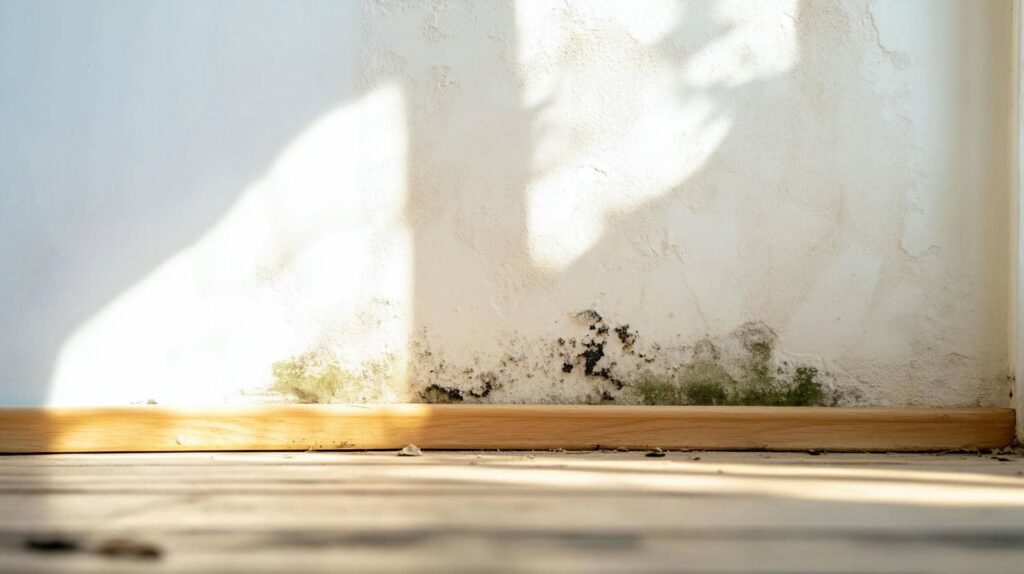
Start with a thorough flood damage evaluation, inspecting all affected areas, including walls, ceilings, and hidden spaces like basements and attics. Use mold assessment techniques such as visual inspections, moisture meters, and air sampling to identify mold presence and moisture levels.
Pay attention to any musty odors, as they often indicate mold. Document your findings meticulously—this will help in understanding the severity of the situation and guide your remediation efforts.
Remember, mold can develop within 24 to 48 hours after water exposure, so timely assessment is vital. By using these mold assessment techniques, you’ll protect your property and ensure a safer environment for yourself and others.
Don’t underestimate the importance of thorough evaluation in your remediation process.
Safety Precautions Before Starting Remediation
Before you start mold remediation, ensure you’re equipped with the right personal protective equipment, like gloves and respirators, to safeguard your health.
Proper ventilation and airflow are essential to minimize exposure to mold spores during the process.
Additionally, take electrical safety measures to prevent hazards from damaged wiring or wet areas.
Personal Protective Equipment
While preparing for mold remediation after flood damage, ensuring your safety through proper personal protective equipment (PPE) is essential.
Following PPE guidelines will help you minimize exposure to harmful mold spores. Start by wearing protective clothing, such as long-sleeved shirts, pants, and gloves, to shield your skin. A properly fitted respirator with a P100 filter is key to protecting your lungs from airborne contaminants.
Don’t forget to use safety goggles to safeguard your eyes from irritants. It’s critical to verify your gear is in good condition; any holes or damage can compromise your safety.
Ventilation and Airflow
Effective ventilation and airflow are vital to ensuring a safe mold remediation environment after flood damage.
To start, make sure you have adequate air circulation throughout the affected areas. Open windows and doors if possible, and use fans to promote airflow, which helps in moisture control. This step prevents stagnant air that can encourage mold growth.
Additionally, consider using dehumidifiers to further reduce humidity levels, as mold thrives in damp conditions. It’s essential to monitor the indoor environment continually; aim for a relative humidity below 60%.
Electrical Safety Measures
Ensuring electrical safety is essential when you begin mold remediation after flood damage, as water and electricity can create hazardous conditions.
Before starting, make sure to conduct thorough circuit inspections. Turn off the main power supply to prevent electrical hazards, and use a multimeter to check for any live wires in the affected areas. If you’re unsure, it’s wise to consult a licensed electrician for guidance.
Keep all electrical equipment away from moisture, and use ground-fault circuit interrupters (GFCIs) to minimize risks. Always wear rubber-soled boots and insulated gloves when working in damp environments.
Effective Techniques for Mold Removal
To effectively tackle mold removal, start by identifying the types of mold present in your environment.
Knowing the specific mold species helps determine the most appropriate removal and prevention methods.
Once you understand the situation, you can implement targeted strategies for effective remediation.
Identification of Mold Types
While you may recognize mold as a common post-flood problem, identifying the specific types is essential for effective remediation.
Different mold species can pose varying health risks and require tailored removal strategies. To accurately determine mold types, you can use several identification methods.
Visual inspections often reveal distinct colors and textures, signaling the presence of specific species. Additionally, air sampling and surface testing can provide scientific confirmation of mold types.
Tools like moisture meters can help you assess the environment, as certain molds thrive in specific humidity levels.
Understanding the mold species present in your home can empower you to take appropriate action, ensuring a safer living space for you and your loved ones.
Removal and Prevention Methods
Once you’ve identified the mold types in your home, effective removal and prevention methods become crucial.
Start with thorough mold removal by using protective gear and specialized cleaners. For non-porous surfaces, a mixture of water and detergent works well. Porous materials may need replacement, especially after severe flood damage.
Ensure proper ventilation to reduce moisture levels, which is key to preventing mold recurrence.
Consider using dehumidifiers and air purifiers to maintain indoor air quality. Regularly inspect high-risk areas, like basements and bathrooms, for signs of moisture or mold growth.
Finally, sealing any leaks in roofing or plumbing can greatly reduce mold risk. By following these steps, you’ll create a healthier environment for you and your family.
Drying and Dehumidification Methods
Effective drying and dehumidification methods are crucial for preventing mold growth after flood damage, as moisture can linger in even the most hidden areas of your home.
To achieve ideal moisture control, start by increasing air circulation. Open windows and doors when possible, and use fans strategically to enhance airflow throughout affected spaces. This helps evaporate moisture quickly and efficiently.
Next, deploy dehumidifiers to extract excess moisture from the air. Choose units based on the size of the affected area and make sure they’re running continuously until humidity levels drop considerably. Monitor humidity levels with a hygrometer to gauge progress.
Additionally, consider using heat sources, like space heaters, to warm the environment, further promoting evaporation.
Combining these techniques will create a thorough drying strategy, essential for protecting your home from mold and ensuring a safe, healthy living space for you and your loved ones.
Preventing Future Mold Growth
Even after thorough drying and dehumidification, the risk of mold growth remains if preventive measures aren’t taken.
To protect your space and ensure a healthy environment, implement the following strategies:
Use mold-resistant materials: Opt for paints and building materials designed to resist mold growth.
Maintain humidity control: Keep indoor humidity levels below 60% using dehumidifiers or proper ventilation.
Seal leaks promptly: Inspect plumbing and roofs regularly to prevent moisture intrusion.
Promote air circulation: Ensure good airflow in areas prone to dampness, such as basements and bathrooms.
Professional Help: When to Call an Expert
How can you determine when it’s time to call in a professional for mold remediation? If you notice extensive mold growth beyond a few square feet, it’s best to seek expert consultation. Mold can spread quickly, and an experienced technician can perform a thorough mold inspection to assess the extent of the damage.
Additionally, if you experience persistent health issues, such as respiratory problems or allergic reactions, don’t hesitate to reach out for help. These symptoms may indicate that mold is affecting your indoor air quality.
Another factor to evaluate is the moisture source. If the flooding has caused structural damage or if water remains trapped in your home, professionals can effectively address both mold and moisture issues.
Frequently Asked Questions
How Long Does Mold Remediation Typically Take After a Flood?
Mold remediation typically takes one to three weeks after a flood. You must act quickly, as unchecked mold growth poses significant health risks. Don’t wait; ensure your environment remains safe and healthy for everyone.
Can I Handle Mold Removal Myself, or Do I Need Professionals?
You can handle mold removal yourself using proper techniques, but make sure you prioritize DIY safety. If the infestation is extensive or poses health risks, it’s best to consult professionals for effective remediation.
What Types of Mold Are Most Common After a Flood?
After a flood, you’ll commonly encounter black mold and other toxic molds. These molds thrive in damp environments, making it essential for you to address moisture promptly to prevent health risks and structural damage.
Are There Specific Products Recommended for Mold Removal?
When mold strikes, it’s like a shadow looming over your home. For effective mold removal, use products such as hydrogen peroxide, vinegar, or specialized commercial solutions that target mold spores to ensure a safe, clean environment for your family.
Will My Insurance Cover Mold Remediation Costs After a Flood?
Your insurance policies may cover mold remediation costs after a flood, but it depends on your coverage limits. Review your policy details and consult your provider to understand what’s included and any exclusions that apply.
Recent Posts
Essential Steps for Sewage Spill Cleanup
When faced with a sewage spill, can you afford to overlook the essential steps for
5 Essential Tips for Sewage Spill Cleanup
When a sewage spill occurs, it’s important to act swiftly and effectively. You need to
What Are the Best Flood Water Extraction Methods?
When facing flood damage, understanding the extraction methods, selecting the right equipment, and implementing timely