
Contents
When your basement floods after a heavy rainstorm, quick action is essential to minimize damage. Effective flood water extraction techniques can prevent mold growth and structural issues in your home. By understanding the importance of timely removal and the various methods available, you’ll be better equipped to handle such emergencies. Let’s explore each technique and determine which ones will work best in your situation.
Key Takeaways
- Utilize submersible pumps for rapid water removal, ensuring proper installation and safety precautions to avoid electrical hazards.
- Implement wet/dry vacuum systems for efficient extraction, choosing equipment based on water volume, and maintaining them for optimal performance.
- Employ truck-mounted water extraction equipment for large-scale flooding, leveraging high-capacity pumps for quick and thorough water removal.
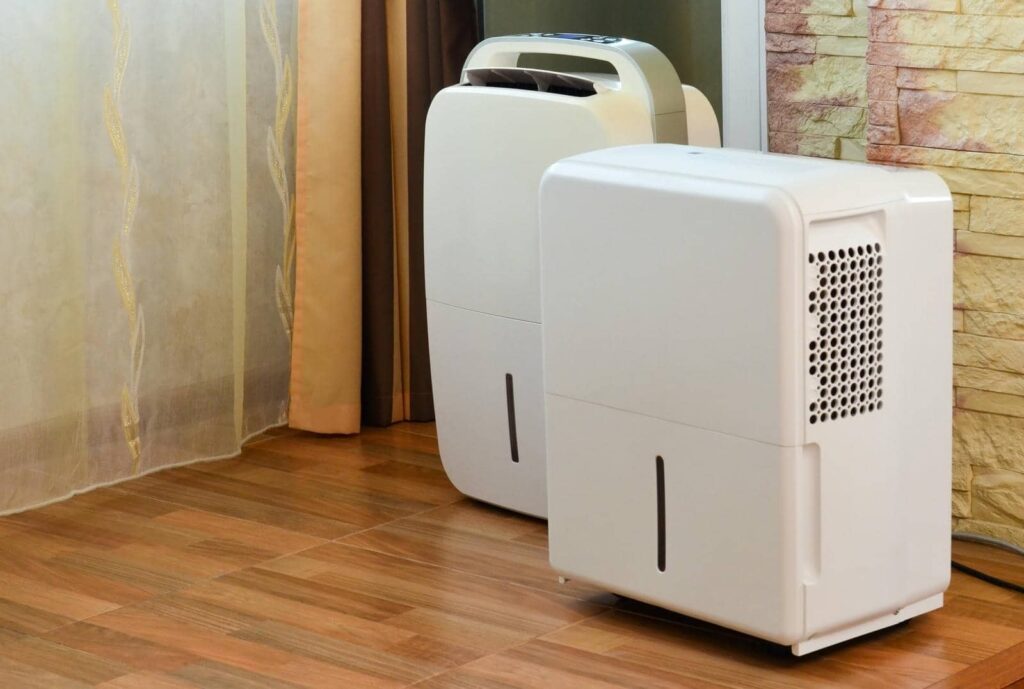
- Monitor humidity levels and use dehumidifiers to control moisture, ensuring effective air circulation with multiple air movers for faster drying.
- Consider hiring professional water extraction services for severe flooding or contaminated water to ensure safety and prevent further damage.
Understanding the Importance of Timely Water Extraction
When floodwaters infiltrate a space, you must act quickly to mitigate damage. Timely intervention is essential; the longer water remains, the more severe the water damage becomes.
Water can penetrate walls, floors, and furnishings, leading to structural issues and mold growth.
To effectively extract water, you need to utilize the right equipment, such as pumps and industrial fans, which accelerate the drying process.
Prioritize removing standing water, as it’s the first step in protecting your property.
Understanding the importance of prompt action helps save your belongings and enhances your sense of community.
Assessing the Severity of Flood Damage
Before you begin the water extraction process, it’s crucial to assess the severity of flood damage to determine the appropriate response.
Start with flood assessment techniques, which involve inspecting your property for water levels and identifying affected areas. Check for structural integrity, as compromised walls or foundations may require immediate attention.
Utilize damage evaluation methods like moisture meters to gauge water saturation in materials. This helps in identifying hidden damage behind walls or under flooring.
Document your findings with photographs and notes, as this information can be valuable for insurance claims and future prevention strategies.
Involving professionals for thorough assessments can also provide peace of mind. They’re equipped with advanced tools and expertise to ensure you won’t overlook critical issues.
Utilizing Submersible Pumps for Efficient Water Removal
Submersible pumps are among the most effective tools for removing floodwater quickly and efficiently. When choosing the right pump, it’s crucial to take into account the various submersible pump types available, such as utility pumps, sump pumps, and sewage pumps, each tailored to specific needs.
For effective water removal, confirm proper pump installation; this means securely placing the pump in the water and connecting it to a discharge hose that directs water away from your home.
Before starting, make certain to disconnect any power sources to avoid electrical hazards. Once installed, these pumps can handle large volumes of water, greatly reducing the time it takes to restore your space.
Regular maintenance and immediate action can prevent further damage, making submersible pumps an essential component in flood recovery. By utilizing these efficient tools, you’ll feel a sense of belonging in your community, knowing that you’re taking proactive steps to protect your home.
Implementing Wet/Dry Vacuum Systems
When implementing wet/dry vacuum systems for flood water extraction, it’s essential to select the right equipment based on the specific conditions and volume of water.
You’ll need to familiarize yourself with proper usage techniques to maximize efficiency and ensure safety.
Additionally, maintaining and caring for your vacuum system will extend its lifespan and enhance performance during critical situations.
Equipment Selection Guidelines
Selecting the right equipment for flood water extraction is essential for effective and efficient recovery. Focus on equipment types that optimize extraction efficiency to ensure you choose a wet/dry vacuum system tailored to your specific needs.
Consider the vacuum’s capacity; a larger tank means less frequent emptying, which can save you time. Look for features like powerful suction and adjustable settings to handle varying water depths and debris. Additionally, confirm the vacuum has appropriate filtration to capture contaminants, enhancing air quality post-extraction.
Don’t overlook portability; a lightweight design allows for easy maneuvering in tight spaces. By carefully selecting your equipment, you’ll enhance your flood recovery efforts and protect your home from further damage, fostering a sense of security in your community.
Proper Usage Techniques
To maximize the effectiveness of your wet/dry vacuum system during flood water extraction, it’s crucial to follow proper usage techniques.
First, verify the vacuum is set to the appropriate mode for liquid extraction. Begin by removing any debris from the area to avoid clogs.
Position the vacuum hose to reach the deepest water pockets, using attachments as needed to enhance suction. As you extract water, periodically check the vacuum’s collection tank and empty it to maintain peak performance.
After extraction, utilize effective drying techniques by following up with fans and dehumidifiers, promoting airflow, and reducing moisture levels.
Maintenance and Care Tips
Proper maintenance and care of your wet/dry vacuum system can greatly extend its lifespan and ensure peak performance during floodwater extraction.
By following these tips, you can minimize water damage risks and enhance flood prevention measures in your home.
Regularly clean the filters: Dirty filters can reduce suction and efficiency. Clean them after each use to ensure peak performance.
Inspect hoses and seals: Check for any cracks or leaks that can compromise the vacuum’s ability to extract water effectively.
Store properly: Keep your vacuum in a dry, cool place when not in use. This prevents rust and damage from moisture.
Employing Truck-mounted Water Extraction Equipment
When you’re facing considerable flooding, truck-mounted water extraction equipment proves invaluable for efficient water removal.
These systems deliver enhanced suction power, allowing you to clear large volumes of water quickly.
Efficient Water Removal
Truck-mounted water extraction equipment offers a robust solution for efficiently removing floodwater from affected areas. This method stands out among various water removal methods due to its speed and effectiveness, playing a vital role in flood damage prevention.
Here’s how it works:
Powerful Pumps: These machines utilize high-capacity pumps that can quickly extract large volumes of water, minimizing damage.
Integrated Systems: Truck-mounted setups often combine multiple functions, such as extraction and filtration, streamlining the process.
Mobility: Their design allows for easy access to hard-to-reach areas, ensuring thorough water removal.
Enhanced Suction Power
Enhanced suction power is a critical factor in the effectiveness of truck-mounted water extraction equipment.
You’ll find that recent suction technology advancements greatly improve the speed and efficiency of flood water removal. These powerful extraction methods use high-performance pumps that quickly handle large volumes of water, minimizing damage to your home.
By employing this equipment, you can effectively manage severe flooding situations, safeguarding your property and belongings. The combination of robust suction capabilities and advanced filtration systems ensures that not only is water removed efficiently, but contaminants are also managed effectively.
Investing in truck-mounted solutions means you’re choosing reliability and effectiveness, fostering a sense of security for you and your family during challenging times.
Utilizing Air Movers and Dehumidifiers
To effectively mitigate water damage after a flood, utilizing air movers and dehumidifiers is essential.
These tools work together to accelerate drying and reduce humidity levels, helping prevent mold growth and structural damage in your home.
Here’s how you can maximize their effectiveness:
Position Air Movers Strategically: Place air movers in a way that directs airflow across wet surfaces. Aim them at walls, carpets, and furniture to promote evaporation.
Set Dehumidifiers at Ideal Levels: Keep dehumidifiers running continuously to extract moisture from the air. Monitor the humidity levels and adjust settings as needed.
Create a Circulation System: Use multiple air movers in conjunction with dehumidifiers. This combination ensures that dry air circulates effectively throughout the affected areas.
Chemical Treatments for Contaminated Water
When dealing with contaminated floodwater, chemical treatments play an essential role in ensuring safety and effective remediation.
You’ll want to utilize chemical disinfectants to eliminate harmful pathogens and contaminants present in the water. Common choices include chlorine bleach and hydrogen peroxide, which are effective in neutralizing bacteria and viruses.
For thorough water purification, it’s vital to follow manufacturer guidelines on concentration and contact time, ensuring these chemicals work effectively.
After applying disinfectants, consider testing the water to confirm it’s safe for use or consumption.
Manual Water Removal Techniques
While chemical treatments are essential for purifying contaminated floodwater, manual water removal techniques are equally important in the initial response to flooding.
You can effectively mitigate water damage using these methods, which rely on simple yet effective manual tools and siphoning techniques.
Here are three key manual water removal techniques to evaluate:
Siphoning: Utilize a garden hose or a siphon pump to transfer water from your home to a lower area. This method is efficient for removing large volumes of water quickly.
Buckets and Containers: For smaller areas, using buckets can be practical. Fill them with water and carry them outside to dispose of the water safely.
Wet/Dry Vacuum: A wet/dry vacuum is invaluable for extracting water from carpets and other surfaces, allowing for thorough removal from your home.
Ensuring Safety and Health Precautions
When extracting flood water, wearing appropriate personal protective equipment (PPE) is essential to safeguard your health.
Contaminated water poses serious risks, including exposure to harmful pathogens and chemicals.
Always prioritize your safety by using gloves, masks, and waterproof boots during the extraction process.
Personal Protective Equipment
Personal protective equipment (PPE) is essential for anyone involved in floodwater extraction, as it safeguards against various hazards present in contaminated water.
To ensure you’re adhering to safety standards, it’s vital to wear the right protective gear. Here are three key items you should have:
Waterproof Boots: These protect your feet from submerged hazards and contaminants.
Gloves: Heavy-duty, waterproof gloves shield your hands while handling debris and contaminated materials.
Respirator Mask: This helps filter out harmful particles and pollutants in the air, making sure you breathe safely.
Contaminated Water Risks
Engaging in flood water extraction brings you face-to-face with a variety of contaminated water risks that can pose serious health threats.
You must be aware that these contaminated water sources can carry pathogens, chemicals, and debris, increasing your exposure to health risks. Bacteria and viruses can thrive in stagnant water, leading to infections or illnesses.
To ensure safety during extraction, always wear appropriate personal protective equipment, including gloves and masks. Additionally, assess the area for hazardous materials before starting.
Disinfect surfaces after water removal to minimize long-term contamination. By taking these precautions, you protect yourself, your family, and your community.
Professional Water Extraction Services and When to Call Them
Flooding can lead to significant property damage and health risks, making professional water extraction services vital in such situations.
Knowing when to call these experts can save you time, money, and stress. Here are three key scenarios to take into account:
Severe Damage: If water levels are high or the flooding is extensive, immediate emergency response is essential for effective extraction.
Contaminated Water: If the water is contaminated, professionals can assess the situation and provide the necessary service evaluation to ensure safety.
Mold Prevention: Even minor flooding can lead to mold growth. Professionals can quickly address moisture issues, preventing long-term damage.
Frequently Asked Questions
How Can I Prevent Future Flood Damage in My Home?
To prevent future flood damage in your home, install flood barriers and enhance your drainage systems. Regular maintenance and upgrades will help manage water flow, reducing the risk of water intrusion and protecting your property.
What Insurance Covers Flood Water Extraction Costs?
Flood coverage typically includes costs for damage assessment and extraction. Check your policy’s specifics, as some standard homeowners’ insurance doesn’t cover flood-related issues. You’ll want to ensure you’ve got adequate protection against potential perils.
Can I Extract Water Myself Without Professional Help?
Yes, you can handle DIY extraction for water removal, but make certain you have the right tools and safety precautions. Assess the situation carefully; sometimes, professional help might be necessary to prevent further damage.
How Long Does It Take to Fully Dry a Flooded Home?
It usually takes 5 to 7 days for a flooded home to fully dry after water removal. The drying process depends on factors like humidity, ventilation, and the materials involved, so monitor conditions closely.
What Are the Signs of Mold Growth After Flooding?
You’ll notice mold growth through a musty odor, discoloration on walls or ceilings, and increased humidity. Mold identification is essential, as it poses significant health risks, including respiratory issues and allergies, impacting your family’s well-being.
Recent Posts
Mold Prevention Strategies Post-Flood Cleanup
After a flood, mold can quickly become a serious issue if you don’t act fast.
10 Tips for Mold Remediation After Flooding
Flooding can lead to rapid mold growth, which poses serious health risks and damages your
3 Best Mold Remediation Strategies After Flood Damage
After flood damage, addressing mold growth is essential for your health and property. You need