
Contents
Understanding how your homeowners insurance handles mold removal can save you significant costs and headaches. However, the specifics of coverage can vary widely between policies, leaving many unsure about their financial protection. Before you face a mold problem, it’s essential to grasp what your policy covers and what it doesn’t. How can you guarantee you’re adequately prepared?
Key Takeaways
- Standard homeowners insurance may cover mold removal, but specifics vary widely between policies and coverage terms.
- Mold damage resulting from sudden water leaks is typically more likely to be covered than long-term moisture issues.
- Specialized mold insurance offers broader coverage options and should be considered for enhanced protection against mold-related damages.
- Document the source and extent of any water damage to strengthen your mold claim with the insurance provider.
- Review your insurance policy carefully and consult your insurer to understand coverage details related to mold removal services.
Understanding Mold Removal Services
When you encounter mold in your home, understanding mold removal services is vital to effectively address the issue. Mold remediation techniques vary widely, and knowing which method is appropriate can greatly impact your home’s safety.
Professionals typically inspect the extent of mold growth and contamination first, identifying areas that pose health risks. Common techniques include containment, air filtration, and cleaning or removal of affected materials.
These processes not only eliminate the visible mold but also address spores that could trigger allergies or respiratory issues. It’s important to choose a service that follows industry standards, ensuring thorough cleaning and prevention of future outbreaks.
Types of Insurance Policies That Cover Mold Removal
Many homeowners mightn’t realize that their insurance policies can play an important role in covering mold removal costs. Understanding the types of insurance policies available is essential for you.
Generally, standard homeowners insurance policies provide some form of mold coverage, but the specifics can vary greatly. Some policies cover mold damage stemming from specific perils, like water leaks, while others impose strict limits or exclusions.
For example, if mold develops due to neglect or lack of maintenance, your claim may be denied. On the other hand, specialized mold insurance can offer broader coverage, addressing situations that typical policies might overlook.
It’s important to review your policy differences carefully, as some insurers may offer add-ons or riders for enhanced protection against mold-related issues. By knowing your options, you can better safeguard your home and finances against the hidden dangers of mold.
Common Causes of Mold Growth
Mold growth often occurs when specific conditions create a perfect environment for spores to thrive. Understanding these causes can help you prevent mold infestations in your space. Key factors include humidity levels, which should ideally be kept below 60%, and proper ventilation. Without adequate airflow, moisture accumulates, fostering mold growth.
Here’s a summary of common causes:
| Cause | Description | Prevention |
|---|---|---|
| High Humidity Levels | Excess moisture in the air | Use dehumidifiers |
| Poor Ventilation | Stagnant air in enclosed spaces | Guarantee proper airflow |
| Leaky Pipes | Water accumulation from leaks | Regular plumbing checks |
| Condensation | Moisture buildup on cold surfaces | Insulate pipes |
| Flooding | Water intrusion from storms | Prompt drainage solutions |
The Role of Water Damage in Mold Claims
Water damage substantially influences mold claims, as it often serves as the catalyst for infestations. When water infiltrates your home whether from a burst pipe, heavy rainfall, or flooding it creates an environment ripe for mold growth.
Insurers frequently link mold claims to the underlying water damage, making it essential to document the source and extent of the water issue.
In many cases, your coverage will depend on whether the water damage resulted from a sudden event or a long-term issue, like a slow leak. Quick action is critical; if you can demonstrate that you addressed the water damage promptly, it strengthens your mold claims.
Steps to Filing an Insurance Claim for Mold Removal
Filing an insurance claim for mold removal involves a series of organized steps to guarantee you receive the coverage you need.
Start by reviewing your policy to understand the specifics of your coverage and any relevant insurance terminology. Next, contact your insurance company to initiate the claim process. Be prepared to provide details about the mold issue, including when it started and any previous water damage.
Once you’ve reported the issue, your insurer will likely assign an adjuster to inspect the damage. It’s essential to stay engaged throughout this process, asking questions and clarifying any uncertainties. Document all communications and keep track of deadlines to make sure that you’re meeting all requirements.
Finally, once your claim is approved, work with a certified mold removal service to address the issue efficiently. By following these steps, you can navigate the claim process smoothly and secure the coverage you deserve.
Documentation Needed for Insurance Claims
To successfully navigate the insurance claim process, you’ll need to gather specific documentation that supports your case.
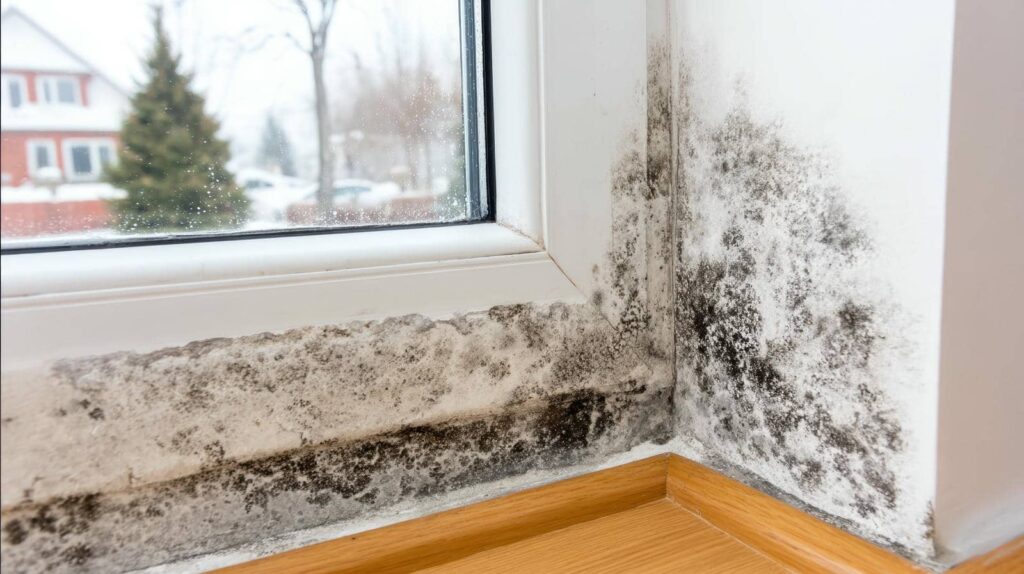
First, collect photographs of the mold damage, as visual evidence strengthens your claim. Make sure to document the extent of the problem, showing both the affected areas and any previous damage.
Next, obtain a detailed estimate from a certified mold removal service. This quote will help meet the insurance requirements by providing a clear breakdown of necessary repairs.
Additionally, include any relevant communication with your insurance provider, such as claim numbers or prior correspondence.
Don’t forget to gather your policy documents, highlighting coverage specifics related to mold removal.
Finally, consider providing a list of personal belongings affected by mold, as this can further substantiate your claim documentation.
Exclusions and Limitations in Insurance Coverage
How well do you understand the exclusions and limitations that may impact your insurance coverage for mold removal? Many homeowners overlook important mold exclusions in their policies, which can lead to unexpected costs.
Standard homeowners’ insurance often doesn’t cover mold damage that results from neglect or lack of maintenance. For instance, if you’ve noticed water leaks for an extended period without taking action, your claim may be denied due to policy limitations.
Additionally, certain policies might impose caps on coverage amounts for mold remediation, limiting the financial support you receive.
It’s essential to read your policy carefully and consult with your insurance agent to clarify these terms. Understanding these exclusions guarantees you’re better prepared for potential out-of-pocket expenses and helps you take proactive steps to mitigate mold risks in your home.
Being informed empowers you to make the best decisions regarding your mold removal needs.
Working With Mold Removal Specialists and Insurance Adjusters
Steering mold removal often requires collaboration between specialists and insurance adjusters to affirm that you receive the necessary coverage for remediation efforts.
When you engage mold removal specialists, they’ll conduct thorough mold inspections to inspect the extent of the problem. This essential information forms the foundation for your insurance negotiations.
It’s important to communicate openly with both parties. Specialists can provide detailed reports that outline the severity and potential health risks, which can greatly influence your claim. Keeping lines of communication clear guarantees everyone is on the same page, minimizing misunderstandings.
During the insurance negotiations, be proactive. Present all documentation from the mold inspections and remediation plans to your adjuster. This transparency not only fosters trust but can also expedite the approval process.
Ultimately, working closely with mold removal specialists and insurance adjusters will help affirm you receive the support and coverage you need to restore your home effectively.
Preventive Measures to Avoid Mold Growth and Insurance Issues
While it may seem intimidating, taking preventive measures against mold growth can save you considerable time, money, and stress when it comes to dealing with insurance issues.
By incorporating these mold prevention tips into your home maintenance routine, you can create a healthier living environment and avoid costly claims.
Control Humidity: Keep indoor humidity below 60% by using dehumidifiers and exhaust fans.
Inspect for Leaks: Regularly check pipes, roofs, and windows for leaks that could lead to water accumulation.
Improve Ventilation: Guarantee proper airflow in your home, especially in bathrooms and kitchens, to reduce moisture buildup.
Clean Regularly: Dust and clean surfaces frequently, as mold spores thrive in dirty environments.
Frequently Asked Questions
How Quickly Should I Report Mold Damage to My Insurance Company?
You should report mold damage to your insurance company as soon as possible, ideally within 24 to 48 hours. This timing helps streamline the mold inspection timeline and expedites the insurance claim process.
Will My Insurance Cover Mold if It’S Pre-Existing?
As the saying goes, “An ounce of prevention is worth a pound of cure.” With mold coverage limitations often excluding pre-existing conditions, it’s essential to understand your policy’s specifics before assuming coverage for mold damage.
Are There Specific Mold Removal Companies My Insurance Recommends?
Your insurance provider may recommend specific mold remediation companies that adhere to established mold remediation guidelines. Contact your insurer directly to get a list of approved services that meet their standards and guarantee proper coverage.
Can I Choose My Own Mold Removal Contractor?
Yes, you can choose your own mold contractor. It’s crucial to explore your mold contractor options carefully, ensuring they meet your needs and expectations. Always verify their credentials and past work before making a decision.
How Does My Deductible Affect Mold Removal Claims?
Your deductible substantially impacts mold removal claims. If your deductible’s higher than the mold damage cost, you won’t receive reimbursement. Understanding this during the claim process helps you make informed decisions about coverage and expenses.
Review
In steering through the murky waters of mold removal and insurance, understanding your coverage is key to revealing financial support when disaster strikes. Like a lighthouse guiding ships, thorough documentation and awareness of policy specifics can illuminate your path to a successful claim. By proactively addressing mold growth and collaborating with specialists and adjusters, you not only protect your home but also guarantee peace of mind. Stay informed, and you’ll be better equipped to weather any storm that may come your way.
Recent Posts
5 Essential Tips for Sewage Spill Cleanup
When a sewage spill occurs, it’s important to act swiftly and effectively. You need to
What Are the Best Flood Water Extraction Methods?
When facing flood damage, understanding the extraction methods, selecting the right equipment, and implementing timely
Top Flood Water Extraction Techniques for Homes
When your basement floods after a heavy rainstorm, quick action is essential to minimize damage.