
Contents
Just as a phoenix rises from the ashes, you can revitalize your home after the flood challenges of a flood. It’s vital to tackle the aftermath effectively, starting with a thorough assessment of the damage. Understanding what steps to take next can make all the difference in restoring your space and preventing future issues. Let’s explore the essential actions you need to reflect on for a safer, healthier home environment.c
- Conduct a thorough inspection to identify water damage and mold growth, documenting findings for insurance claims and future repairs.
- Engage professional water damage restoration services for quick extraction, drying, and comprehensive damage assessment.
- Replace damaged materials, such as carpets and drywall, and use moisture-resistant materials to prevent future issues.
- Implement preventive measures like sealing leaks, maintaining gutters, and controlling humidity to protect your home from future flooding.
- Regularly inspect and maintain your home’s structural integrity, plumbing, and ventilation systems to ensure long-term resilience against water damage.
Understanding the Importance of Mold Remediation
When you’re dealing with the aftermath of a flood, understanding the importance of mold remediation is essential for your home’s health and your family’s safety.
Mold can develop quickly in damp environments, often within 24 to 48 hours, posing serious health risks like respiratory issues and allergies. By addressing mold removal promptly, you protect your loved ones and preserve your home’s value.
Start by evaluating the affected areas. Remove soaked materials like carpets or drywall, as they can harbor mold. Clean surfaces with a mixture of water and detergent, and consider using a mold-killing solution for stubborn spots.
It’s smart to wear protective gear during this process, ensuring you’re safe while working.
If the infestation is extensive, don’t hesitate to call in professionals. They’ve the skills and tools needed to tackle severe mold issues effectively.
Assessing Flood Damage in Your Home
After a flood, it’s essential to assess the damage to your home carefully.
Start with a visual inspection to identify any obvious issues, then check the structural integrity of your walls and floors.
This step will help you prioritize repairs and ensure your home remains safe and sound.
Visual Damage Inspection
A thorough visual damage inspection is essential for understanding the extent of flood-related harm in your home.
Start by checking the walls, ceilings, and floors for discoloration, warping, or peeling paint, which can indicate water intrusion.
Don’t forget to inspect your furniture and personal belongings—floodwaters can leave behind lasting damage.
Look for any signs of mold or mildew, especially in hidden areas like basements and closets.
Document your findings with photographs; this can be invaluable for insurance claims.
While you’re at it, engage family members in the inspection process—this fosters a sense of teamwork and belonging as you work together to revitalize your space.
Your diligence now will pave the way for a brighter, healthier home.
Structural Integrity Evaluation
While evaluating flood damage, examining the structural integrity of your home is essential to confirm safety and long-term stability.
Start by checking for visible cracks in walls and foundations, as these can indicate serious issues. Pay attention to doors and windows; if they stick or don’t close properly, it might signal shifting.
Inspect beams and joists for warping or rot—these are critical for your home’s support. Don’t forget about your roof; water damage can weaken it over time.
It’s wise to document any findings and consult a professional if you’re unsure. Taking these steps helps confirm your home is safe and brings peace of mind as you work toward revitalizing your cherished space.
The Role of Water Damage Restoration Services
Water damage restoration services play an essential role in helping homeowners recover from the aftermath of flooding.
These professionals restore your home and provide peace of mind during a challenging time. They’ve the expertise and tools needed to tackle the complexities of water damage effectively.
Here’s how they can assist you:
Assessment and Planning: They evaluate the extent of the damage and develop a tailored restoration plan, ensuring nothing is overlooked.
Water Extraction: Using powerful equipment, they remove standing water quickly, minimizing further damage and mold growth.
Drying and Dehumidifying: Experts ensure your home is thoroughly dried, preventing lingering moisture that can lead to health issues.
Steps to Take Immediately After Flooding
After flooding, it’s crucial to act quickly to minimize damage and protect your health. Start by ensuring your safety; avoid any standing water and check for hazards like downed power lines. If you can, turn off the electricity to your home to prevent electrical shocks.
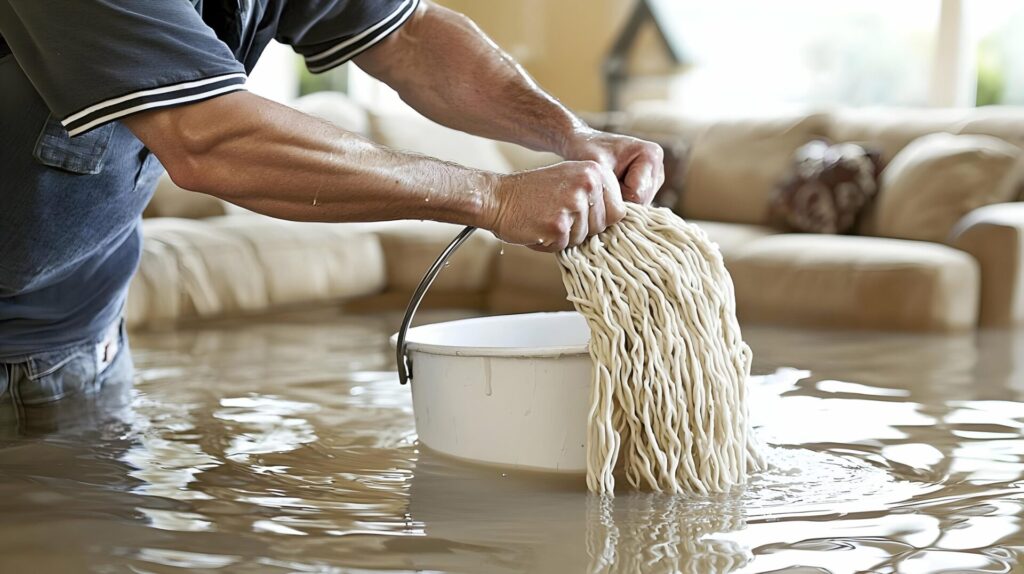
Once you’re safe, begin removing excess water using buckets, mops, or a wet/dry vacuum. Open windows and doors for ventilation to help dry out your space.
Next, salvage what you can. Take photos of damaged items for insurance claims, and discard anything that’s beyond saving, like soaked carpets or upholstered furniture.
Clean and disinfect surfaces to prevent mold growth. Don’t forget to document everything; this can help you feel more connected to the recovery process.
Finally, reach out for support—whether from friends, family, or community resources. You’re not alone in this, and together, you can rebuild your home.
Professional Mold Remediation Techniques
When tackling mold issues after flooding, a professional inspection is your first step to identify problem areas.
Once identified, effective removal methods can eliminate the mold and restore your home’s safety.
Additionally, implementing preventive measures will help keep mold from returning, ensuring a healthier living environment.
Mold Inspection Process
Although dealing with mold can feel challenging, understanding the mold inspection process is essential for effective remediation.
Start by identifying potential problem areas in your home, like damp basements or water-damaged walls. Next, hire a qualified inspector who’ll assess the extent of the mold growth.
Here’s what to expect:
- Visual Inspection: The inspector examines surfaces for visible mold and moisture issues.
- Air Quality Testing: Samples of air are taken to identify mold spores present in your home.
- Surface Sampling: Samples from suspected moldy surfaces are tested in a lab.
Effective Removal Methods
To effectively tackle mold issues in your home, you’ll want to consider professional mold remediation techniques that ensure complete removal and prevent future growth.
Start with a thorough assessment by certified professionals who can identify hidden mold and moisture sources. High-efficiency particulate air (HEPA) vacuuming can clean up visible spores, while specialized antimicrobial treatments eradicate remaining traces.
Don’t overlook the importance of drying out affected areas; dehumidifiers and fans are essential. After remediation, air testing verifies that the environment is safe.
Preventive Measures Implemented
While mold remediation focuses on eliminating existing mold, implementing preventive measures is essential to safeguard your home against future infestations.
You can take several actionable steps to protect your space and maintain a healthy environment:
Control Humidity Levels: Keep indoor humidity between 30-60% using dehumidifiers and proper ventilation to discourage mold growth.
Seal Leaks: Regularly inspect your home for leaks in roofs, pipes, and windows. Promptly repair any issues to prevent moisture accumulation.
Regular Inspections: Conduct routine checks in areas prone to dampness, like basements and bathrooms, to catch mold growth early and address it swiftly.
Choosing the Right Sewage Cleanup Professionals
How can you ensure that you choose the right sewage cleanup professionals for your home? Start by evaluating their qualifications, experience, and customer feedback. Look for certified experts who are familiar with local regulations and have a solid track record.
Here’s a quick comparison to help you assess potential candidates:
| Criteria | Key Questions | Importance |
|---|---|---|
| Certifications | Are they licensed and insured? | Protects you from liabilities |
| Experience | How long have they been in business? | Ensures they know what to expect |
| Customer Reviews | What do past clients say? | Reflects reliability and quality |
| Response Time | How quickly can they respond? | Essential for timely cleanup |
Effective Emergency Water Extraction Methods
When faced with water damage, swift action is essential, and knowing effective emergency water extraction methods can make all the difference.
Here are three key techniques you can use to tackle the situation:
Use a Wet/Dry Vacuum: This handy tool can quickly suck up standing water, especially in small areas. Verify it’s rated for water extraction to avoid electrical hazards.
Mop and Towels: Sometimes, the simplest methods work best. Use mops and absorbent towels to soak up residual water, especially in hard-to-reach spots.
Dehumidifiers and Fans: Once you’ve extracted most of the water, place dehumidifiers and fans in the affected areas to help dry out surfaces and reduce moisture levels.
Repairing Structural Damage From Flooding
After a flood, it’s vital to assess the severity of the structural damage to your home.
Identifying compromised areas early on can save you time and money during repairs.
Let’s explore essential techniques to restore your home’s integrity and make it safe again.
Assessing Damage Severity
Although floods can leave your home in disarray, evaluating the damage severity is essential to determining the necessary repairs.
Start by checking key areas to ensure you’re aware of all the damage:
- Foundation: Look for cracks or shifts that could compromise stability.
- Walls and Ceilings: Inspect for warping, peeling paint, or mold growth.
- Electrical Systems: Make certain that circuits and outlets aren’t damaged or exposed to water.
Document your findings with photos and notes.
This assessment will guide your repair strategy and help you prioritize urgent fixes.
Don’t hesitate to reach out to professionals for a thorough evaluation; your safety and your home’s integrity are paramount.
Essential Repair Techniques
Start tackling structural damage from flooding by focusing on the most critical areas first.
Check your foundation, as cracks can compromise your home’s stability. If you find any, consult a professional to assess the extent of the damage.
Next, inspect walls and beams for warping or mold; these issues can escalate quickly if not addressed. Remove wet insulation and drywall, and replace them with moisture-resistant materials to prevent future problems.
Don’t forget to reinforce any compromised roof structures to avoid leaks.
Finally, ensure proper drainage around your home to keep water away.
Preventing Future Flood Damage and Mold Growth
To effectively prevent future flood damage and mold growth, it’s vital to take proactive measures right away.
You want to create a safe, healthy environment for you and your loved ones. Here are three essential steps to keep your home protected:
Seal Vulnerable Areas: Inspect your foundation, windows, and doors for cracks or gaps. Use caulk or weather stripping to seal these areas, preventing water from seeping in.
Improve Drainage: Make certain that gutters and downspouts are clear and direct water away from your home. Consider adding drainage solutions like French drains if you live in a flood-prone area.
Control Humidity: Use dehumidifiers in damp areas, like basements, to keep humidity levels low. Regularly check for leaks in pipes and fix them promptly.
Long-term Maintenance Strategies for a Healthy Home
Maintaining a healthy home requires consistent effort, so it’s essential to establish a long-term maintenance routine.
Start by conducting regular inspections of your property. Check your roof, gutters, and foundation for any signs of wear or water damage.
Create a seasonal cleaning schedule that includes deep cleaning carpets and upholstery to prevent mold growth.
Don’t forget about your HVAC system; changing filters every few months can improve air quality and efficiency.
Also, stay proactive by addressing any plumbing issues promptly to avoid bigger problems down the line.
Incorporate moisture control measures, like using dehumidifiers in damp areas.
Keep your home well-ventilated, especially in bathrooms and kitchens.
Finally, connect with your community—share tips and resources with neighbors.
Review
Revitalizing your home after a flood can feel overwhelming, but taking it step by step makes it manageable. As you assess the damage and engage restoration services, you’ll restore your space and prevent future challenges. It’s funny how a little preparation can turn a disaster into an opportunity for a healthier, more resilient home. By staying proactive, you’ll enjoy a safe environment for years, proof that even tough times can lead to positive change.
Recent Posts
Mold Prevention Strategies Post-Flood Cleanup
After a flood, mold can quickly become a serious issue if you don’t act fast.
10 Tips for Mold Remediation After Flooding
Flooding can lead to rapid mold growth, which poses serious health risks and damages your
3 Best Mold Remediation Strategies After Flood Damage
After flood damage, addressing mold growth is essential for your health and property. You need