
Contents
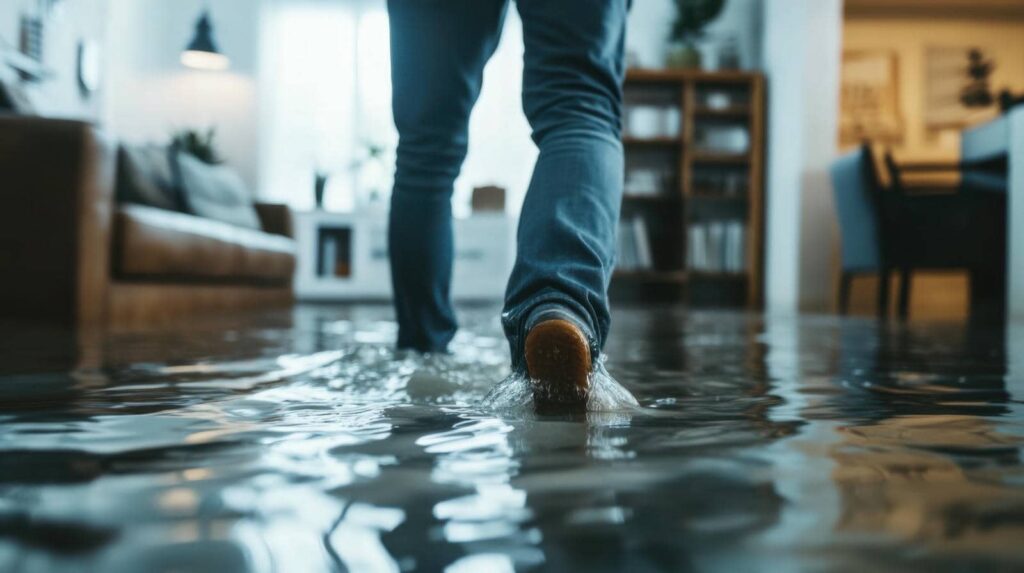
Water damage can feel like an unstoppable tidal wave, wreaking havoc on your property. To tackle this challenge effectively, you’ll need a methodical approach that includes evaluating the damage, taking immediate action, and employing the right extraction and drying techniques. Understanding these key strategies is essential for minimizing losses and preventing future issues. So, what are the critical steps you need to take in the aftermath of water intrusion?
Key Takeaways
- Assess the extent of water damage and identify hidden moisture using moisture meters for an effective repair strategy.
- Immediately turn off the power and contact restoration services to mitigate further damage and ensure safety.
- Extract standing water using submersible pumps or wet vacuums to facilitate the drying process.
- Employ dehumidifiers and air movers strategically to enhance drying and prevent mold growth.
- Implement mold prevention measures post-repair, such as improving ventilation and installing moisture barriers.
Assessing the Extent of Water Damage
When dealing with water damage, the first step is evaluating its extent to determine the necessary repair strategies.
Begin with a thorough damage evaluation, identifying visible signs like discoloration, warping, or mold growth. These indicators can reveal underlying issues that require attention.
Next, conduct a moisture assessment using a moisture meter to measure levels in affected materials, such as drywall, wood, or flooring. This quantifiable data will help you pinpoint the severity and scope of the water intrusion.
Pay special attention to hidden areas, such as behind walls or under floors, where moisture may linger undetected.
Understanding the full extent of the damage enables you to prioritize repairs effectively. By systematically evaluating both visible damage and moisture levels, you ensure a more efficient and successful restoration process, fostering a sense of security and belonging as you restore your space to its original condition.
Immediate Actions to Take After Water Intrusion
After water intrusion, it’s crucial to act swiftly to minimize damage and prevent further complications. Follow these immediate actions to ensrue safety and effectiveness:
Turn Off Power: If it’s safe, switch off electricity to affected areas to prevent electrical hazards.
Contact Emergency Services: Reach out to emergency contacts, such as local water damage restoration services, for professional assistance.
Document the Damage: Take photos of the affected areas for insurance claims and future reference.
Implement Safety Precautions: Wear protective gear, like gloves and masks, to safeguard against mold and contaminants.
Water Extraction Techniques and Equipment
To effectively mitigate water damage, employing proper water extraction techniques and equipment is essential. Start by evaluating the affected area to determine the extent of the water intrusion.
Common water extraction methods include using submersible pumps for large volumes of standing water and wet vacuums for smaller spills. Each equipment type serves a specific purpose; submersible pumps are efficient for deep water, while wet vacuums excel in extracting water from carpets and hard surfaces.
In addition, consider using truck-mounted extractors, which provide increased suction power for rapid extraction.
As you work, maintain safety by wearing protective gear and monitoring for electrical hazards. Remember, timely and efficient water extraction minimizes damage and helps prevent mold growth.
Drying and Dehumidification Processes
Once water extraction is complete, the next critical step involves implementing effective drying and dehumidification processes.
These methods are crucial in preventing further damage and ensuring a safe environment.
Here’s how you can proceed:
Assess moisture levels: Use moisture meters to gauge the extent of saturation in materials.
Select appropriate dehumidifiers: Choose devices based on the specific area and moisture level, considering factors like capacity and energy efficiency.
Employ effective drying methods: Utilize air movers and heaters to enhance evaporation. Position them strategically to maximize airflow.
Monitor progress: Regularly check moisture readings and adjust equipment as necessary to maintain ideal drying conditions.
Mold Prevention and Remediation Strategies
To effectively prevent and remediate mold, you must first identify moisture sources that contribute to its growth.
Once you’ve pinpointed these areas, implement effective mold removal techniques to eliminate existing spores.
Finally, establish post-remediation prevention strategies to ensure a mold-free environment moving forward.
Identify Moisture Sources
Identifying moisture sources is essential for effective mold prevention and remediation, as even minor leaks or high humidity can lead to significant issues.
To tackle this, focus on the following steps:
Visual Inspection: Look for water stains, discoloration, or peeling paint, indicating potential leaks.
Moisture Detection Tools: Use hygrometers or moisture meters to measure humidity levels and detect hidden dampness.
Leak Identification: Check plumbing fixtures, roofs, and windows for signs of leaks or condensation.
Ventilation Assessment: Ensure proper airflow in areas such as bathrooms and basements to reduce humidity buildup.
Effective Mold Removal
Effective mold removal requires a systematic approach to ensure that all spores are eradicated and future growth is prevented.
Start by evaluating the affected area and identifying any visible mold growth. Wear protective gear, such as masks and gloves, to safeguard against health risks.
Use a mixture of water and detergent to scrub surfaces, or apply a commercial mold remover for stubborn infestations. Confirm thorough drying of the area, as moisture encourages further mold growth.
Dispose of contaminated materials like drywall or carpeting responsibly. After cleaning, monitor the area regularly to detect any signs of recurrence.
Post-Remediation Prevention Techniques
After successfully removing mold, it’s essential to implement post-remediation prevention techniques to safeguard your home from future infestations.
By focusing on preventive maintenance, you can create a less hospitable environment for mold growth.
Here are four effective strategies:
Install Moisture Barriers: Make certain crawl spaces and basements have moisture barriers to prevent water accumulation.
Regular Inspections: Conduct routine checks for leaks in plumbing or roofing.
Ventilation Improvement: Enhance airflow in areas like bathrooms and kitchens to reduce humidity levels.
Dehumidifiers: Use dehumidifiers in damp areas to maintain ideal moisture levels.
Repairing and Restoring Affected Structures
When water damage occurs, promptly evaluating and addressing the structural integrity of affected areas is essential for successful recovery. Start by inspecting walls, floors, and ceilings for warping or mold growth. Utilize appropriate restoration techniques, such as drying, dehumidifying, and repairing damaged materials.
| Affected Area | Recommended Action |
|---|---|
| Walls | Assess for mold; replace drywall if necessary |
| Floors | Remove and dry carpets; inspect subflooring |
| Ceilings | Check for sagging; repair or replace as needed |
| Structural Beams | Inspect for rot; reinforce or replace if compromised |
Long-term Prevention Measures for Future Incidents
To prevent future water damage incidents, it’s crucial to implement proactive measures that address potential vulnerabilities in your property.
Focus on enhancing your rainwater management and drainage systems. Here are four key strategies to take into account:
Inspect and Maintain Gutters: Regularly clean and repair gutters to ensure they effectively direct rainwater away from your foundation.
Evaluate Drainage Systems: Assess existing drainage systems for blockages or inefficiencies, and upgrade them if necessary to handle heavy rainfall.
Install Sump Pumps: Think about installing sump pumps in areas prone to flooding, which can actively remove excess water during storms.
Landscaping Adjustments: Grade your landscape to slope away from your home, assuring that rainwater flows away rather than pooling around your foundation.
Frequently Asked Questions
What Insurance Coverage Is Needed for Water Damage Repair?
You’ll need thorough coverage types like homeowners or renters insurance. Understand the claim process thoroughly to ensure you’re protected against water damage. Review your policy details to confirm you have adequate coverage for potential repairs.
How Long Does the Water Damage Repair Process Typically Take?
“Time waits for no one.” Typically, the water damage repair process spans several weeks. You’ll experience multiple restoration phases, with a repair timeline influenced by damage severity, materials, and necessary drying procedures.
Can I Perform Water Damage Repairs Myself?
You can perform water damage repairs yourself using DIY techniques and essential repair tools. Just ensure you assess the damage thoroughly, follow safety guidelines, and tackle repairs methodically to achieve effective and lasting results.
What Are the Signs of Hidden Water Damage?
You’ll notice signs of hidden water damage through mold growth, musty odors, or warped surfaces. Check for discoloration on walls and ceilings, as these can compromise structural integrity and indicate moisture lurking beneath the surface.
How Much Does Water Damage Repair Usually Cost?
Did you know that water damage can cost homeowners between $1,000 and $5,000 for repairs? Understanding these potential repair costs helps you budget effectively and ensure your home remains safe and sound from moisture-related issues.
Summary
Addressing water damage requires swift, methodical action to safeguard your property. Think of it as a race against time; the sooner you implement effective strategies, the better your chances of recovery. By evaluating damage, extracting water, and preventing mold, you’re not just repairing your space—you’re fortifying it against future threats. Prioritizing these steps ensures your home remains a sanctuary, resilient against the unpredictable tides of nature. Don’t wait; act now to protect your investment.
Recent Posts
Mold Prevention Strategies Post-Flood Cleanup
After a flood, mold can quickly become a serious issue if you don’t act fast.
10 Tips for Mold Remediation After Flooding
Flooding can lead to rapid mold growth, which poses serious health risks and damages your
3 Best Mold Remediation Strategies After Flood Damage
After flood damage, addressing mold growth is essential for your health and property. You need