
Contents
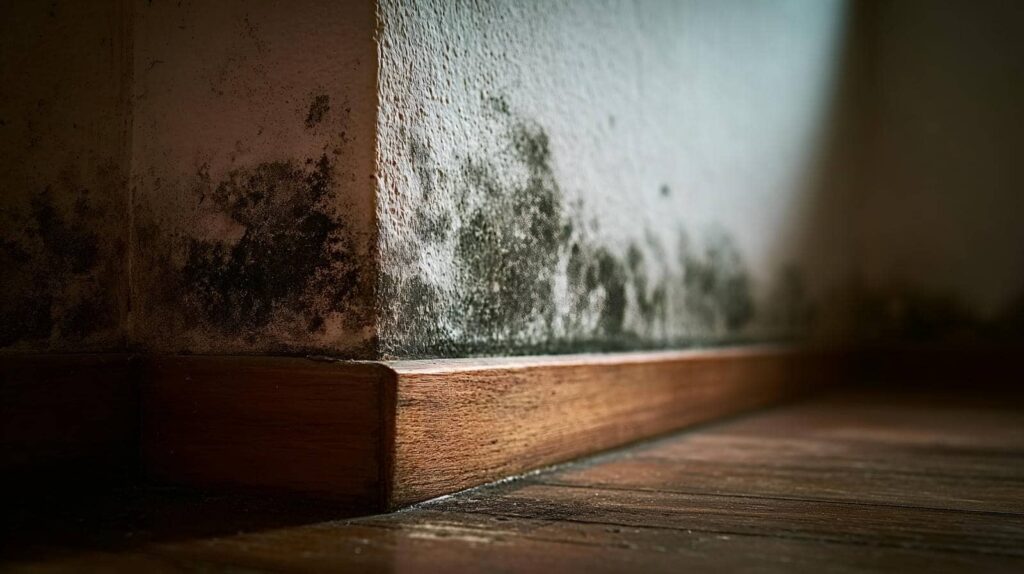
Imagine the damp, musty scent of a home invaded by sewage, where moisture lingers, and organic material festers. In this environment, mold can thrive, putting your health at risk and threatening your property’s integrity. Understanding why urgent mold removal is essential after such an incident can save you from serious complications. What happens if you don’t act quickly? The consequences might be more severe than you think.
Key Takeaways
- Sewage backup introduces harmful pathogens, increasing the risk of health issues and property damage, making emergency mold removal essential.
- Mold can begin to grow within 24 to 48 hours after sewage exposure, necessitating swift action to prevent extensive damage.
- Prolonged mold exposure can lead to serious respiratory problems and allergic reactions, highlighting the urgency of effective remediation.
- Professional mold removal ensures thorough remediation and minimizes health risks, unlike DIY methods that may lack precision.
- Immediate drying and disinfecting of affected areas are crucial to inhibit mold growth and protect the integrity of the home.
Understanding Sewage Backup and Its Risks
Sewage backup is a serious issue that can pose significant health risks and property damage. When sewage contamination occurs, harmful pathogens and bacteria infiltrate your living space, creating an unsafe environment. You mightn’t realize the extent of the damage until it’s too late. The presence of contaminated water can lead to structural issues and compromise your home’s integrity.
To mitigate these risks, it’s vital to act swiftly. Mold prevention should be a top priority, as mold thrives in damp conditions. By addressing the sewage backup immediately, you reduce the likelihood of mold growth, which can further exacerbate health concerns.
Make certain you’re working with professionals who understand the complexities of sewage contamination. They’ll help you restore your space to a safe condition and provide guidance on ongoing prevention measures. Taking these steps protects your property and fosters a sense of security for you and your loved ones.
The Connection Between Sewage and Mold Growth
After experiencing a sewage backup, you may not realize just how quickly mold can begin to develop in your home. The composition of sewage is a breeding ground for mold spores, providing the moisture and nutrients that these spores need to thrive. Once sewage infiltrates your living space, it creates an ideal environment for mold growth, potentially within 24 to 48 hours.
Here’s a breakdown of the connection between sewage and mold:
| Factor | Description |
|---|---|
| Sewage Composition | Contains organic matter, moisture |
| Mold Spores | Thrive on nutrients found in sewage |
| Growth Timeframe | 24-48 hours post-exposure |
| Conditions for Growth | Warmth, humidity, and darkness |
Understanding this connection emphasizes the urgency of immediate mold removal. Acting swiftly can help protect your home and loved ones from further damage.
Health Hazards Associated With Mold Exposure
Mold exposure can lead to serious health issues, primarily affecting your respiratory system.
You might experience symptoms like coughing, wheezing, or even asthma attacks if you’re sensitive to mold.
Additionally, allergic reactions such as sneezing and skin irritation can occur, highlighting the urgent need for mold removal after a sewage backup.
Respiratory Issues
Although you mightn’t immediately notice the impact of mold exposure, it can lead to significant respiratory issues over time.
Mold spores can trigger a range of respiratory health problems, from mild irritations to severe conditions. You may experience coughing, wheezing, or shortness of breath as your body reacts to the allergens present in mold.
Prolonged exposure can exacerbate existing conditions like asthma or chronic bronchitis, making it essential to address mold promptly. Even if you don’t have pre-existing respiratory issues, the risk of developing problems increases with continued exposure.
Taking immediate action to remove mold after sewage backup isn’t just about cleanliness; it’s about safeguarding your respiratory health and ensuring a safe living environment for you and your loved ones.
Allergic Reactions
Exposure to mold can trigger a variety of allergic reactions, impacting your overall health. If you’re sensitive to mold, you might experience symptoms like sneezing, a runny nose, or itchy eyes.
These mold allergies can worsen over time, leading to chronic sinus issues or asthma attacks. It’s vital to recognize that not everyone reacts the same way, but the risk is significant in environments contaminated by sewage.
Mold spores can be particularly dangerous, as they often contain mycotoxins, which can exacerbate allergic reactions. To protect yourself and your loved ones, acting swiftly to remove mold after a sewage backup is imperative.
Prioritizing your health means ensuring a safe living environment, free from allergens that could compromise your well-being.
Identifying Symptoms of Mold-Related Illness
When exposed to mold, you might experience a range of symptoms that can affect your health.
Common signs include respiratory issues, skin irritation, and fatigue, which can pose serious risks, especially for vulnerable populations like children and the elderly.
Understanding these symptoms is essential for prompt identification and intervention.
Common Mold Symptoms
Mold can trigger a variety of health symptoms, and recognizing these signs is essential for your well-being. Common symptoms include persistent coughing, sneezing, nasal congestion, and itchy or watery eyes. You might also experience skin rashes or headaches.
Being aware of these symptoms can help you take action early. Employing mold identification techniques, like visual inspections and moisture assessments, allows you to pinpoint problem areas in your home.
Additionally, implementing mold prevention strategies, such as controlling humidity and ensuring proper ventilation, can considerably reduce the risk of mold growth.
Health Risks Overview
Recognizing the symptoms of mold-related illness is essential for maintaining your health, as these symptoms can often mimic those of other respiratory conditions. Exposure to mold spores, especially after water damage, can lead to various health issues. Here’s a quick overview of common symptoms you might experience:
| Symptom | Description |
|---|---|
| Coughing | Persistent cough, often dry |
| Sneezing | Frequent sneezing episodes |
| Itchy Eyes | Irritation, redness, or watering |
| Skin Irritation | Rashes or hives on the skin |
| Fatigue | Unexplained tiredness or malaise |
If you notice any of these symptoms, especially after a sewage backup, it’s vital to address the mold promptly to protect your well-being.
Vulnerable Populations Identified
Certain groups are more susceptible to the adverse effects of mold exposure, making it vital to identify those at risk. Vulnerable groups, such as children, the elderly, and individuals with compromised immune systems, face higher risks of developing mold-related illnesses.
You might notice symptoms like persistent cough, nasal congestion, or skin irritations, which can escalate quickly for high-risk individuals. If you belong to one of these categories or live with someone who does, it’s important to take mold exposure seriously.
Timely mold removal can prevent serious health complications and promote a safer living environment. Stay vigilant and proactive in your efforts to identify and mitigate mold risks, ensuring a healthier space for everyone in your household.
The Importance of Timely Mold Removal
When faced with a sewage backup, addressing mold growth promptly is essential to protecting your health and property. Mold can develop within 24 to 48 hours, posing serious health risks, especially to vulnerable individuals.
By acting quickly, you’re not just safeguarding your space; you’re also fostering a healthier environment for you and your loved ones.
Implementing effective mold prevention strategies is key. This includes controlling moisture levels and ensuring proper ventilation. If mold does appear, using proper mold remediation techniques can help eliminate it effectively.
These techniques involve thorough cleaning and removing contaminated materials to prevent further spread.
Delaying mold removal can lead to extensive damage and costly repairs, as well as ongoing health issues. By prioritizing timely mold removal, you take a proactive stance, ensuring a safe and comfortable living space for everyone involved.
Don’t underestimate the importance of swift action in this critical situation.
Professional Mold Removal vs. DIY Solutions
When considering mold removal after a sewage backup, you’ll face the choice between hiring professionals or tackling it yourself.
Professional services bring specialized expertise and equipment, reducing health risks and ensuring thorough remediation.
However, DIY solutions may seem more cost-effective and quicker, but they often lack the necessary resources and knowledge to address the problem effectively.
Expertise and Equipment
Although tackling mold removal after a sewage backup might tempt you to handle it yourself, the complexities involved often require professional expertise and specialized equipment.
Professionals possess mold detection techniques that can accurately identify hidden mold, which you might overlook. Their specialized training equips them to handle hazardous conditions safely, ensuring thorough remediation.
DIY solutions may seem cost-effective, but they often lack the precision needed to eliminate mold completely, risking future infestations. Furthermore, using inadequate tools can exacerbate the problem, spreading spores further.
Relying on experts provides peace of mind and safeguards your health and property. In the end, investing in professional mold removal assures a detailed approach that DIY methods simply can’t match.
Health Risks Involved
Handling mold removal after a sewage backup involves significant health risks, especially if you opt for DIY solutions. You might underestimate the sewage contamination effects, exposing yourself to harmful pathogens.
Mold spores can trigger respiratory issues, allergies, and other serious health problems. Without the right expertise and equipment, you could inadvertently worsen the situation, spreading mold throughout your home.
Professional mold removal specialists understand effective mold prevention strategies and possess the necessary protective gear to minimize health risks.
While DIY might seem cost-effective initially, the potential health implications can lead to greater expenses down the line. Prioritizing your health and safety is vital, making professional intervention a wise choice in these hazardous circumstances.
Time and Cost Efficiency
While many homeowners consider DIY solutions for mold removal after a sewage backup due to perceived cost savings, the reality often reveals a different story.
Professional mold removal services may seem more expensive upfront, but they offer significant cost efficiency in the long run. Experts eliminate mold effectively and prevent its recurrence, saving you from future expenses and health risks.
Additionally, time management plays an essential role; professionals can assess and address the problem swiftly, allowing you to focus on restoring your home.
In contrast, DIY attempts can lead to prolonged exposure and ineffective treatments, ultimately costing you more time and money.
Investing in professionals ensures a thorough, efficient solution that protects your home and well-being.
Preventing Mold Growth After Sewage Contamination
When sewage contamination occurs, prompt action is vital to prevent mold growth, as moisture creates an ideal environment for spores to thrive.
Implementing effective mold prevention strategies is important after sewage cleanup. Here are key techniques to take into account:
Thoroughly dry affected areas: Use dehumidifiers and fans to remove moisture quickly.
Clean and disinfect surfaces: Use appropriate sewage cleanup techniques to ensure all contaminants are removed.
Seal any leaks: Check plumbing and structural issues that could contribute to ongoing moisture.
Monitor humidity levels: Keep indoor humidity below 60% with a hygrometer.
Use mold-resistant products: Think about materials and paints that inhibit mold growth in vulnerable areas.
Safety Precautions During Mold Removal
Before starting mold removal, safeguarding your safety should be a top priority. You’ll want to equip yourself with proper safety gear to protect against harmful spores. Use N95 respirators, gloves, and goggles to minimize exposure. Additionally, employing mold containment techniques is vital to prevent spores from spreading during the removal process.
Here’s a quick reference table to guide you:
| Safety Gear | Purpose |
|---|---|
| N95 Respirator | Filters airborne mold spores |
| Protective Gloves | Protects skin from irritants |
| Goggles | Shield eyes from mold particles |
Always isolate the affected area by sealing doors and windows, and consider using air filters to enhance air quality. Following these precautions safeguards your health and ensures an effective mold removal process. Stay safe and take these steps seriously!
Long-Term Effects of Mold Exposure
Even with safety precautions in place during mold removal, it’s important to recognize the long-term effects of mold exposure on health. Prolonged exposure to mold, especially after sewage backup, can lead to serious health issues due to mold toxicity. The duration of exposure plays a significant role in determining the severity of these effects.
Consider the following potential consequences:
Respiratory problems, including asthma and chronic cough
Allergic reactions, such as skin rashes and eye irritation
Fatigue and headaches, which can impact daily life
Neurological symptoms, like memory loss and concentration issues
Weakened immune system, increasing susceptibility to infections
Understanding these risks emphasizes the need for immediate and effective mold removal. Protecting your health and well-being should always be a priority, so don’t overlook the importance of addressing mold issues swiftly.
Choosing the Right Mold Removal Specialists
How can you ensure that you choose the right mold removal specialists? Start by looking for professionals with recognized mold removal certifications. These credentials confirm they possess the necessary knowledge and skills to handle mold issues effectively.
Don’t hesitate to seek expert consultations; a reputable specialist will often offer an initial assessment to discuss your specific situation.
Additionally, check their experience in handling sewage-related mold problems, as these situations can be more complex. Ask for references and read reviews to gauge their reliability and effectiveness.
A trustworthy specialist should communicate openly, explaining their process and addressing your concerns.
Finally, ensure they use safe, effective methods and follow industry standards. Choosing the right mold removal specialists protects your home and gives you peace of mind, knowing you’re in capable hands.
Frequently Asked Questions
How Quickly Should Mold Be Removed After Sewage Backup?
You should remove mold within 24 to 48 hours after sewage contamination. Quick action prevents extensive mold growth, safeguarding your health and property. Don’t underestimate the urgency; mold can spread rapidly in damp environments.
Can Mold Grow Even if the Area Seems Dry?
Even when it looks dry, moisture retention can still foster mold growth. Think of hidden humidity like a shadow—silent yet persistent. You’ve got to act fast to prevent an invisible infestation from taking hold.
What Are Common Signs of Mold in Hidden Areas?
Common signs of hidden mold include musty odors, discolored walls, and unexplained health issues. You can use detection methods like moisture meters and infrared cameras to uncover these unseen growths, ensuring a healthier living environment.
Does Insurance Cover Mold Removal After Sewage Incidents?
When life’s storms hit, you’ll want to know if your insurance policies offer mold coverage. Many do, but specifics vary. Always check your policy details to understand what’s protected after sewage-related incidents.
How Can I Tell if Mold Removal Was Successful?
To tell if mold removal was successful, conduct mold testing and assess air quality. If results show no detectable mold spores and air quality meets standards, you can confidently conclude that the removal process was effective.
Review
Acting swiftly after a sewage backup can safeguard your health, protect your property, and prevent long-term damage. By understanding the risks, recognizing symptoms, and prioritizing timely mold removal, you can mitigate the dangers mold poses. Choosing the right specialists ensures effective remediation, allowing you to breathe easier and live healthier. Don’t wait for the problem to escalate—take action, seek help, and reclaim your space from mold’s grip before it becomes a more significant threat.
Recent Posts
Mold Prevention Strategies Post-Flood Cleanup
After a flood, mold can quickly become a serious issue if you don’t act fast.
10 Tips for Mold Remediation After Flooding
Flooding can lead to rapid mold growth, which poses serious health risks and damages your
3 Best Mold Remediation Strategies After Flood Damage
After flood damage, addressing mold growth is essential for your health and property. You need