
Contents
Addressing mold issues is vital for maintaining a safe environment in your home. The process of safe home remediation involves several essential steps, from evaluating the mold situation to ensuring proper cleaning and prevention methods. Understanding these steps helps you tackle the problem effectively and keeps your living space healthy. Let’s explore these important measures further.
Key Takeaways
- Conduct a thorough visual inspection of moisture-prone areas to identify any signs of mold growth.
- Wear appropriate safety gear, including gloves, masks, and goggles, to protect against exposure during remediation.
- Seal off affected areas with plastic sheeting to contain mold spores and prevent their spread.
- Use EPA-approved disinfectants to clean surfaces, focusing on high-touch areas for maximum effectiveness.
- Maintain a well-ventilated workspace and document all findings to guide the cleanup process.
Assessing the Mold Situation
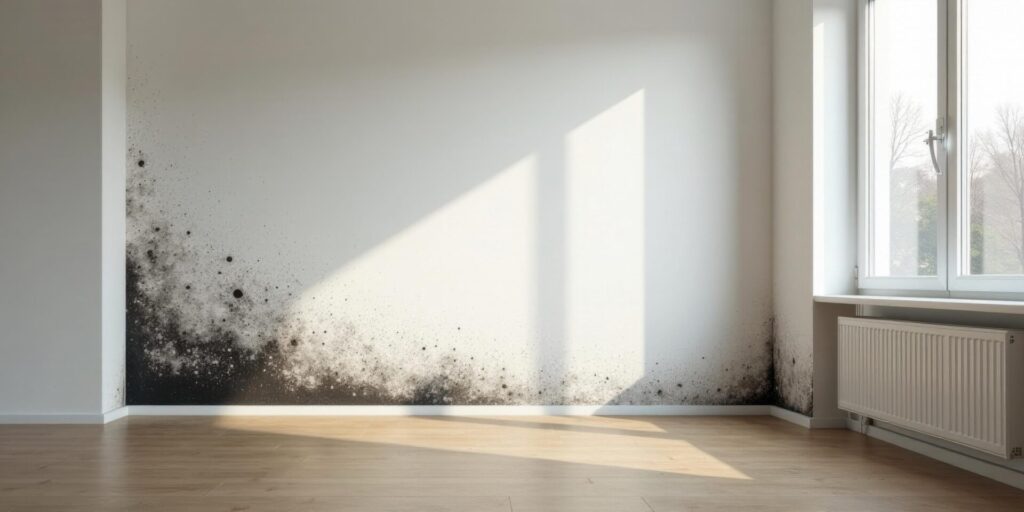
How can you effectively assess the mold situation in your home? Start by visually inspecting areas prone to moisture, like bathrooms, kitchens, and basements. Look for signs of mold growth, such as dark spots or a musty smell.
Don’t ignore hidden spots—check behind appliances and inside cabinets. Next, consider moisture levels; use a hygrometer to measure humidity. If you find levels above 60%, you’ve got a potential problem.
For a more thorough evaluation, take samples of visible mold and send them to a lab for analysis. This can help identify the type of mold present and determine the severity of the issue.
Additionally, assess the extent of damage by checking building materials for deterioration. Document your findings with photographs and notes.
Preparing the Area for Remediation
Before starting remediation, you need to assess the contamination levels to understand the extent of the issue.
It’s also essential to remove personal belongings from the area to prevent damage and ensure a safe working environment.
Proper preparation streamlines the process and enhances safety for everyone involved.
Assess Contamination Levels
To effectively prepare for remediation, it’s crucial to assess contamination levels in your home.
Start by identifying potential hazards, such as mold, asbestos, or chemical spills. Use testing kits or hire professionals to determine the extent of contamination. This step helps you gauge the severity of the problem and informs your remediation strategy.
Make sure to document your findings, as this data can guide you in choosing the right materials and methods for cleanup. Additionally, understanding the contamination levels allows you to prioritize areas needing immediate attention, ensuring safety for you and your family.
Remove Personal Belongings
As you prepare for remediation, removing personal belongings from the affected areas is essential to ensure a safe and effective cleanup process.
Start by evaluating what items are in the contaminated zones. Carefully pack or relocate these belongings to a safe, clean area. This step protects your possessions from potential damage and minimizes the risk of contamination spreading during the remediation process.
Verify you wear protective gear while handling these items to further prevent exposure to harmful substances.
After the cleanup, thoroughly clean and inspect your belongings before returning them to their original locations.
Ensuring Personal Safety Measures
While addressing home remediation, verifying your personal safety measures is essential for a successful and secure process. Start by equipping yourself with appropriate safety gear, including gloves, masks, and goggles. These items protect you from potential hazards like mold spores or harmful chemicals.
Next, familiarize yourself with the area you’re working in. Identify any potential risks, such as structural damage or excess moisture, and take the necessary precautions.
It’s wise to keep your workspace well-ventilated. Open windows and doors to promote airflow, reducing your exposure to harmful substances.
Additionally, make certain you have a first-aid kit readily available. This ensures you’re prepared for any minor injuries that might occur during the process.
Lastly, consider having someone nearby for support. This provides an extra set of hands and fosters a sense of community during a potentially stressful task.
Containing the Mold Growth
Once you’ve confirmed your personal safety measures are in place, the next step involves effectively containing the mold growth. This is essential to prevent further spread and protect your living environment.
Here’s how to do it:
Seal off the affected area: Use plastic sheeting to create a barrier, ensuring no spores escape into other rooms.
Control air movement: Close windows and doors while turning off HVAC systems to minimize air circulation and limit spore dispersal.
Use negative air pressure: If possible, set up a fan to draw air out of the contained space, keeping contaminants from migrating.
Minimize foot traffic: Limit access to the contaminated area to reduce the chance of spreading mold spores throughout your home.
Removing Affected Materials
When removing affected materials, it’s essential to wear appropriate safety gear to protect yourself from harmful contaminants.
You must also ensure that disposal methods comply with local regulations to prevent further contamination.
Understanding these requirements helps you effectively manage the remediation process.
Safety Gear Requirements
To effectively remove affected materials during home remediation, you must prioritize safety gear that protects you from potential hazards.
Wearing the right equipment safeguards your health and reassures those around you that you’re taking the process seriously.
Here are essential items you should consider:
- N95 respirator: Filters out harmful particles in the air.
- Safety goggles: Protect your eyes from dust and debris.
- Gloves: Prevent skin contact with hazardous substances.
- Coveralls: Keep your clothing clean and protect your skin.
Proper Disposal Methods
After equipping yourself with the necessary safety gear, the next step involves the proper disposal of affected materials.
Start by identifying hazardous waste, such as moldy drywall or contaminated insulation, and check local regulations for disposal guidelines. Place these materials in heavy-duty plastic bags or containers to prevent leakage. Seal them tightly to minimize exposure during transport.
If applicable, label the containers to alert others about their contents. For large quantities, consider hiring a licensed waste removal service to ensure compliance and safety.
Cleaning and Disinfecting Surfaces
As surfaces can harbor a variety of pathogens, effective cleaning and disinfecting are essential steps in maintaining a safe home environment.
You’ll want to use the right methods and materials to ensure your home remains a healthy space for you and your loved ones.
Consider these key points:
- Use EPA-approved disinfectants for maximum effectiveness.
- Focus on high-touch surfaces like doorknobs, light switches, and countertops.
- Follow the manufacturer’s instructions for proper contact time to kill germs.
- Regularly clean surfaces, especially after any illness in the home.
Preventing Future Mold Growth
While mold growth can seem inevitable in damp environments, taking proactive measures can greatly reduce its likelihood in your home.
Start by controlling humidity levels; aim to keep indoor humidity below 60%. Use dehumidifiers in basements or other moisture-prone areas. Ensure proper ventilation in bathrooms and kitchens by using exhaust fans and opening windows when possible.
Next, inspect your home regularly for leaks and water damage. Address any plumbing issues immediately to prevent moisture accumulation. Additionally, consider using mold-resistant products, like paints and drywall, especially in high-risk areas.
Finally, maintain cleanliness by regularly cleaning surfaces and removing organic materials that mold thrives on.
By implementing these strategies, you create an environment that discourages mold growth, fostering a healthier living space for you and your loved ones.
Wrap-Up
Safe home remediation hinges on a systematic approach to mold management. By evaluating the situation, preparing the area, and ensuring personal safety, you lay a solid foundation for effective remediation. Containing mold growth and properly cleaning affected surfaces are essential to preventing future infestations. Notably, research suggests that mold can thrive in even small, overlooked areas, reinforcing the need for thorough inspections and ongoing vigilance. Staying proactive in these measures is critical for maintaining a healthy living environment.
Recent Posts
What Are the Best Flood Water Extraction Methods?
When facing flood damage, understanding the extraction methods, selecting the right equipment, and implementing timely
Top Flood Water Extraction Techniques for Homes
When your basement floods after a heavy rainstorm, quick action is essential to minimize damage.
Why Is Emergency Mold Removal Crucial After Sewage Backup?
Imagine the damp, musty scent of a home invaded by sewage, where moisture lingers, and